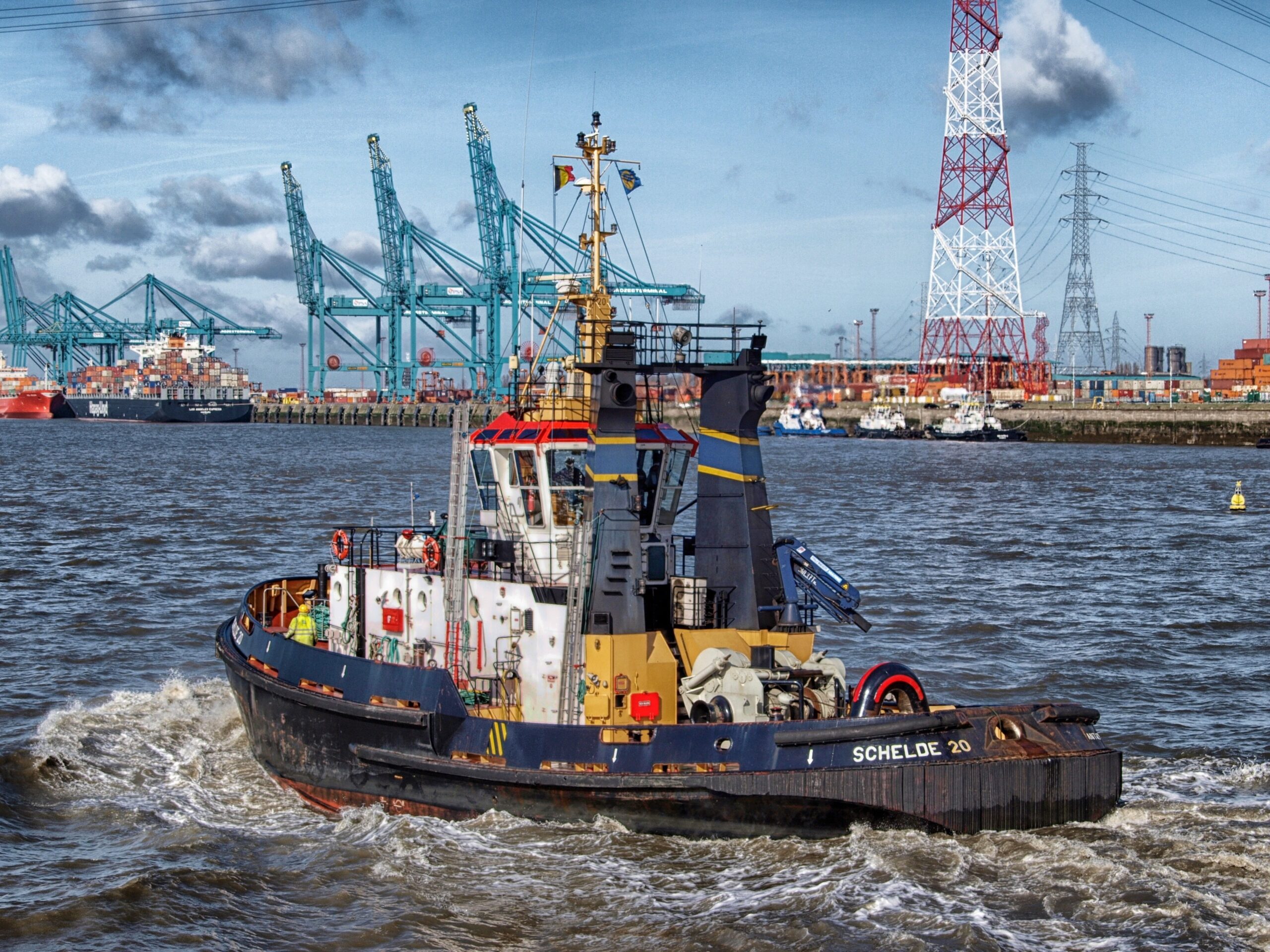
Congressional Republicans are moving to overturn California's maritime diesel emission standards through the Congressional Review Act, a procedural weapon that allows lawmakers to nullify recent federal rules with a simple majority vote and no filibuster barrier. The House is scheduled to vote this week on resolutions that would eliminate state-level clean air protections targeting toxic pollution from ships and commercial harbor craft operating in U.S. ports.
California's maritime standards, enforced by the state Air Resources Board, mandate that vessels operating in state waters reduce diesel particulate matter and nitrogen oxides. The rules apply to container ships, tankers, bulk carriers, and harbor tugboats. Repealing these protections would eliminate emissions reductions that the state estimates will prevent hundreds of premature deaths annually in port communities, particularly in Los Angeles and Long Beach, where maritime traffic concentrates.
The CRA gives Congress 60 legislative days to challenge regulations finalized within the previous 60 calendar days. This mechanism bypasses normal administrative law procedures and requires no presidential signature if it passes both chambers. Once invoked successfully, it prevents agencies from issuing substantially identical rules without explicit Congressional authorization.
Port communities bear disproportionate health burdens from maritime emissions. Diesel exhaust contains fine particulate matter (PM2.5) and NOx precursors that form ground-level ozone. Both pollutants trigger respiratory and cardiovascular disease. Studies from the Port of Los Angeles document asthma rates in adjacent neighborhoods running 40 percent above county averages. Children in these areas show reduced lung function development. California's maritime diesel rules, adopted under the state's waiver authority under the Clean Air Act, represent the most comprehensive U.S. standards for oceangoing vessels.
The shipping industry has opposed the standards, claiming compliance costs exceed benefits. Maritime groups argue that fuel switching and engine retrofits burden operators already facing inflation and supply chain disruptions. However, air quality modeling prepared for California's rulemaking process projected net health benefits of $8 billion to $14 billion over 15 years, accounting for avoided medical costs, lost work days, and premature mortality.
Environmental justice advocates have mobilized against the CRA resolutions. Communities adjacent to the Port of Los Angeles, majority Latino and low-income, depend on state regulation since federal maritime regulations remain weaker. The International Maritime Organization's 2020 sulfur cap applies globally but does not restrict the most harmful local pollutants addressed by California's rules.
The timing reflects broader Congressional efforts to dismantle Biden administration environmental rules. Republicans controlling the House have filed multiple CRAs targeting EPA emissions standards, wetland protections, and fuel economy requirements. This maritime action targets state authority directly, challenging the Clean Air Act's framework that allows California to set stricter standards than federal law.
Passage in the House would send the measure to the Senate, where Democrats retain control. Blocking a CRA requires only 41 senators to sustain a filibuster. Environmental groups are lobbying Senate Democrats to hold that line, framing the vote as a referendum on port community health protection.