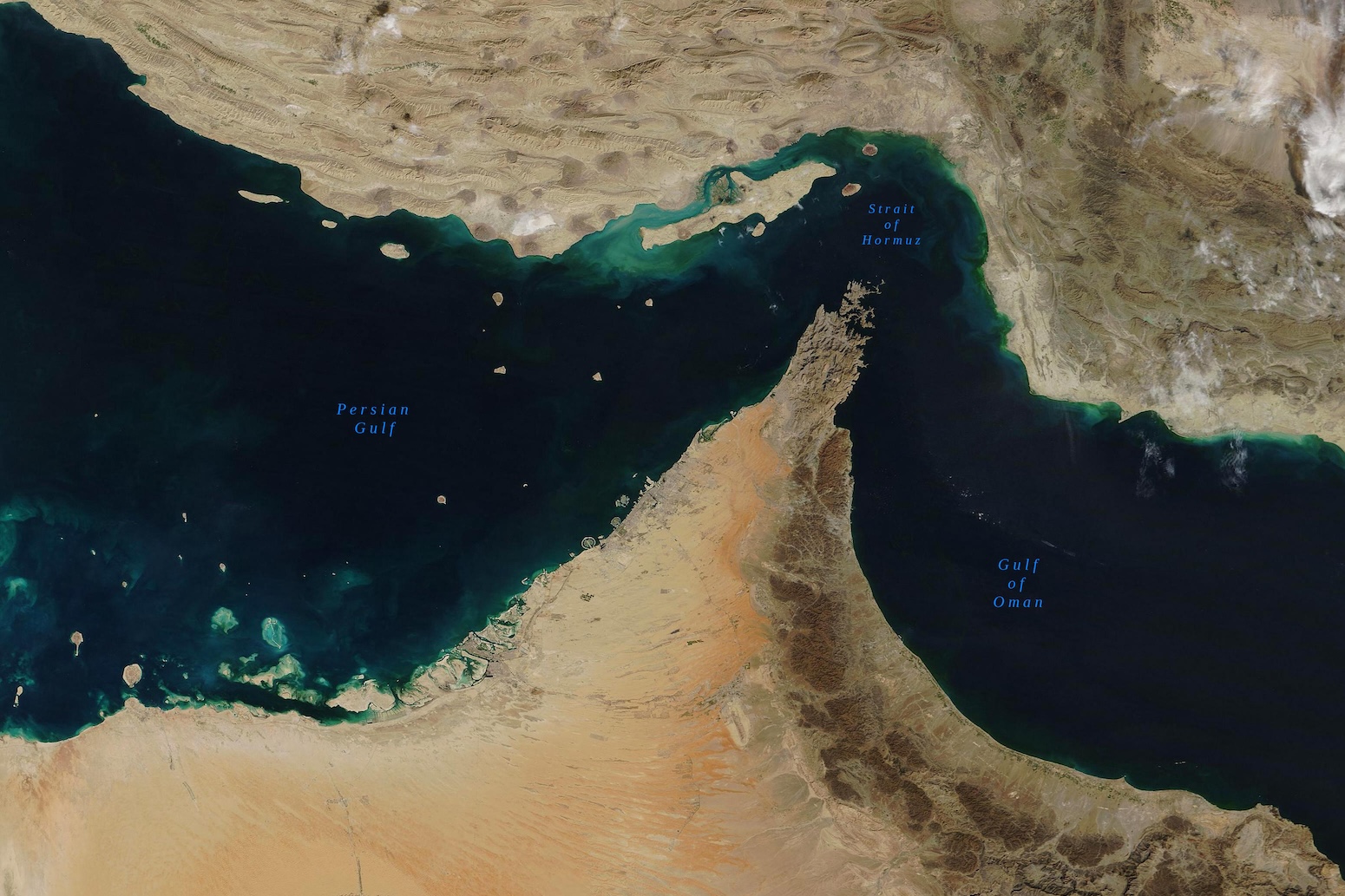
A projected 0.5% decline in global fossil-fuel emissions in 2026 reflects not climate progress but geopolitical disruption. The Strait of Hormuz, through which roughly one-third of seaborne crude oil transits, faces mounting instability that analysts at Carbon Brief predict will suppress oil demand and reduce emissions across the global energy sector.
This decline marks a rare break in decades of emissions growth, but the mechanism behind it carries no cause for celebration. Tensions in the Persian Gulf threaten shipping routes and raise oil prices, which in turn dampens consumption. Economic uncertainty and fuel costs push some energy demand down. The result is a temporary emissions reduction driven by crisis, not decarbonization.
The Strait of Hormuz has long occupied a central place in global energy security. Nearly 30% of seaborne traded oil passes through its narrow chokepoint, making it one of the world's most critical energy arteries. Disruptions there ripple across markets within days. Higher petroleum prices reduce discretionary driving, slow industrial activity, and accelerate shifts toward fuel efficiency and renewable alternatives. Each of these responses lowers fossil-fuel use.
Yet this mechanism differs fundamentally from emissions reductions achieved through policy, renewable deployment, or structural economic transitions. When a Hormuz crisis eases, emissions typically rebound. The underlying energy infrastructure remains fossil-dependent. Economies bounce back. Demand resumes. Carbon Brief's analysis captures a snapshot of short-term volatility rather than a turning point in climate trajectories.
Global emissions reached roughly 37 billion metric tons of CO2 in 2023, according to the Global Carbon Project. A 0.5% decline in 2026 would avoid approximately 185 million metric tons of CO2 equivalent. That quantity matters in absolute terms, yet it pales against the scale of reductions science demands. The Intergovernmental Panel on Climate Change (IPCC) calls for 43% emissions reductions below 2019 levels by 2030 to limit warming to 1.5 degrees Celsius. No single geopolitical crisis can substitute for that trajectory.
Carbon Brief's analysis underscores a paradox in current emissions trends. Oil demand has proved remarkably resilient despite renewable energy growth and electric vehicle adoption. Supply shocks and price spikes remain among the few mechanisms that reliably curb consumption. Meanwhile, deliberate climate policy in most countries lags behind the pace required by physics and economics.
The 2026 forecast assumes sustained Hormuz tension without full blockade. A complete closure would trigger sharper demand destruction and deeper emissions declines, alongside severe economic consequences. Analysts monitor shipping incidents, geopolitical rhetoric, and tanker movements to calibrate such projections.
What happens after 2026 shapes the longer narrative. If tensions ease without structural energy shifts, emissions recovery will follow swiftly. If Hormuz disruptions persist or expand, deeper market restructuring may accelerate renewable deployment and efficiency gains that persist beyond the crisis. Current policy frameworks in major economies remain insufficient to anchor lasting change. The temporary reprieve in 2026 serves as a reminder that emissions reductions born from disruption lack permanence. Only intentional policy, investment, and infrastructure transformation can deliver the sustained declines required.