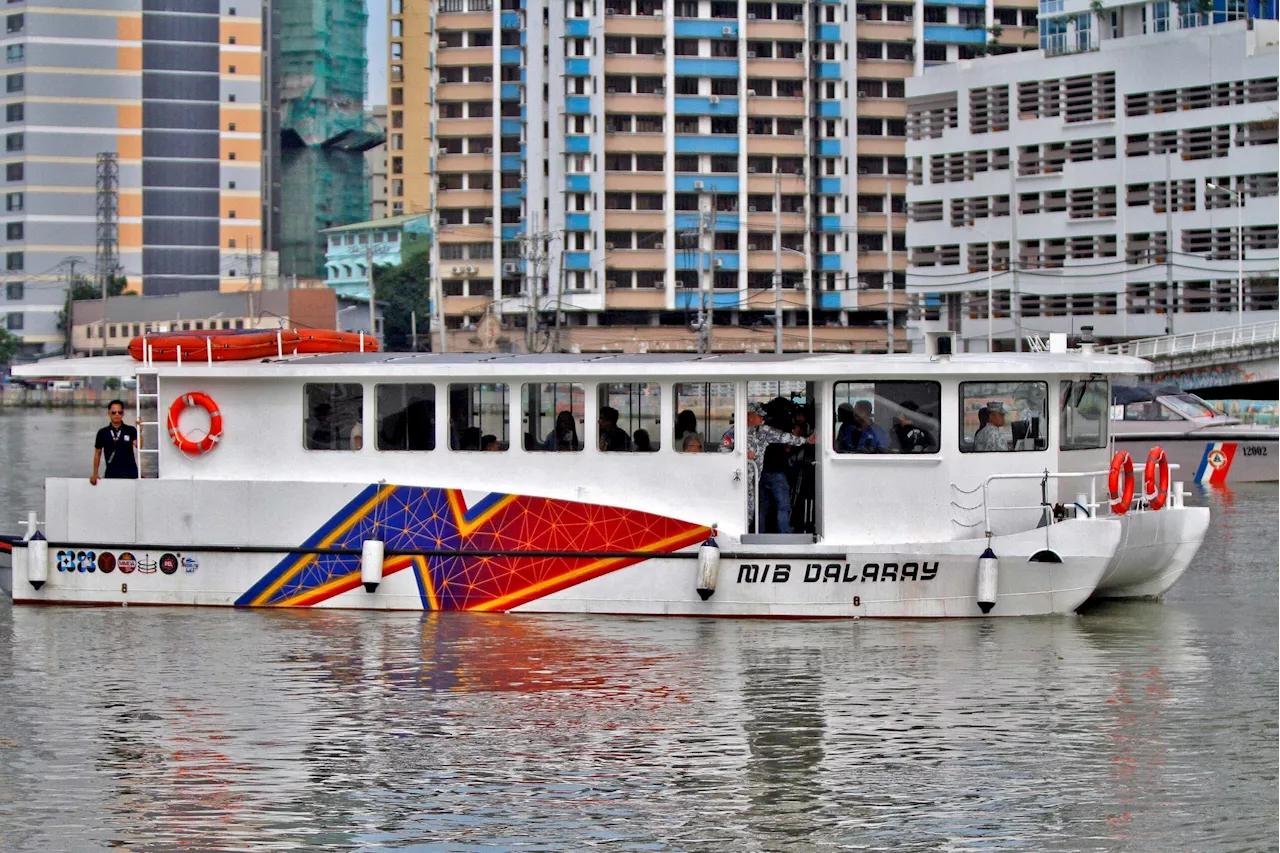
The M/B Dalaray, the Philippines' first locally designed and built electric passenger ferry, has moved into operational service on the Pasig River in Metro Manila after transitioning from prototype status. Engineers at the University of the Philippines Diliman developed the vessel with external funding support, marking a shift from pilot testing to regular commercial deployment carrying thousands of passengers.
The ferry represents a notable step forward for maritime electrification in Southeast Asia, a region where waterborne transport remains heavily dependent on diesel fuel. The Pasig River corridor serves as a major transportation artery through Metro Manila, with ferries moving commuters across the urban waterway daily. Replacing even a single diesel ferry with an electric alternative reduces air pollution in one of Asia's most congested urban centers while cutting operational emissions from this high-traffic route.
Details on the Dalaray's battery capacity, charging infrastructure, and energy efficiency metrics remain limited in available reports. However, the vessel's transition to actual passenger service indicates that university engineers resolved critical engineering challenges related to battery performance, charging logistics, and safety protocols. Philippine maritime authorities approved the ferry for commercial operation, suggesting compliance with local shipping regulations and seaworthiness standards.
The project reflects growing investment in clean maritime transport across Asia. Battery-electric ferries operate successfully in Norway, China, and several Southeast Asian ports, though most vessels remain concentrated in developed economies with established charging networks. The Philippines' reliance on waterborne transit for urban mobility makes electric ferries particularly relevant. Diesel ferry operations contribute substantially to air quality degradation in Manila, where transportation accounts for a significant portion of nitrogen oxide and particulate matter emissions.
University-led ferry development offers cost advantages over purely commercial programs. The UP Diliman engineering team likely accessed academic research facilities, student labor, and government support unavailable to private shipyards in developing economies. This model accelerates technology adoption in regions where market forces alone cannot justify the capital investment required for vessel electrification.
Passenger acceptance appears positive based on the ferry's operational status. Ferry commuters in Manila tolerate moderate delays and service variability, meaning a reliable electric ferry faces fewer behavioral adoption barriers than, for example, electric vehicles in car-dependent markets. The Dalaray's move from demonstration to revenue service depends primarily on operational reliability and maintenance efficiency, both factors that electric propulsion can improve over conventional diesel systems.
Scaling this model presents clear pathways. The Philippines operates numerous ferry routes across the Pasig River and connecting waterways. Each diesel ferry replaced with electric propulsion reduces emissions and air pollution exposure for thousands of daily commuters. If the Dalaray meets performance expectations, UP Diliman and Philippine transport authorities could blueprint additional electric ferries for high-traffic waterway corridors.
The vessel's success also strengthens arguments for electric maritime transport in developing Asian nations. Technology transfer and design documentation from the UP Diliman project could benefit ferry operators across the region facing similar operational and environmental constraints. This form of knowledge sharing accelerates clean transport deployment beyond borders without requiring expensive imported vessels.