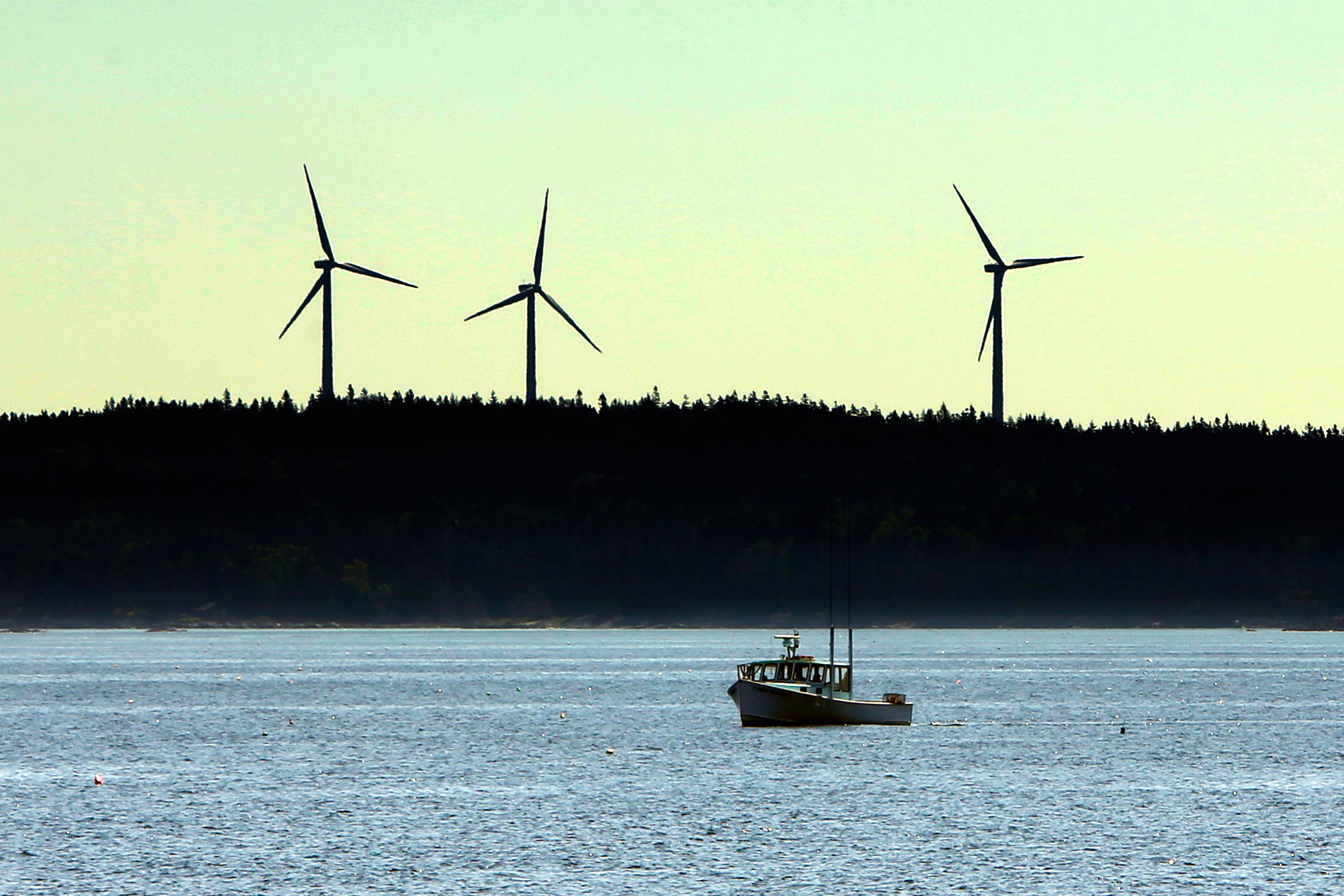
Maine's Public Utilities Commission awarded a major wind development contract on August 25, selecting a single developer to construct 800 megawatts of onshore wind capacity in northern Maine. The decision caps a multi-year procurement process designed to channel the state's most abundant wind resource into the electricity grids serving southern Maine and the broader New England region.
The 800-megawatt project represents one of the largest renewable energy commitments New England has undertaken. At full capacity, the facility would generate enough electricity to power roughly 250,000 homes annually, assuming typical U.S. household consumption of 10,500 kilowatt-hours per year. The project addresses a persistent regional challenge: northern Maine experiences sustained wind speeds among the strongest in the eastern United States, yet transmission infrastructure historically has not existed to move that power south to demand centers like Boston and Portland.
The procurement marks the second attempt by Maine regulators to develop northern wind capacity. An earlier effort stalled, likely due to permitting delays, cost considerations, or transmission constraints that forced developers to restart negotiations. The successful bid suggests developers and utilities resolved those obstacles, though specific details about the chosen proposal remained limited in available reports.
New England's wind ambitions extend beyond Maine. Connecticut, Massachusetts, and Rhode Island have pursued offshore wind contracts, while Vermont and New Hampshire continue onshore projects. Maine's northern wind belt offers a complementary opportunity. The state's average wind speeds at utility-scale hub heights exceed 8 meters per second across substantial land areas, putting potential sites among the top percentile nationally for onshore wind resources.
Transmission remains the structural challenge. New wind farms require high-voltage lines to connect to existing substations. Maine's grid historically lacked transmission capacity to move northern generation to southern load centers. Previous studies indicated new transmission corridors could cost $1 billion or more but would unlock gigawatts of developable capacity. The successful procurement likely assumes transmission upgrades as part of project financing.
The timing aligns with New England's decarbonization targets. Connecticut, Massachusetts, and Rhode Island have committed to 100 percent zero-carbon electricity by 2030 or shortly after. Maine committed to net-zero greenhouse gas emissions by 2045. Wind generation, which produces zero operational emissions, forms a cornerstone of meeting these goals. The region's existing natural gas generation fleet produces roughly 8 million metric tons of carbon dioxide annually. Replacing gas plants with renewable capacity directly reduces that emissions footprint.
Economic factors favor the project. Wind energy costs have fallen 70 percent since 2010, making new capacity cost-competitive with fossil fuels in many markets. The federal Investment Tax Credit, recently extended through 2032, reduces project financing costs by 30 percent. These economics transformed northern Maine's wind resource from a theoretical asset into a bankable investment.
The selected developer now faces permitting timelines for environmental review, wildlife impact assessments, and local approval processes. Construction typically requires three to four years. Grid interconnection studies must confirm the facility can synchronize with existing transmission and distribution systems without destabilizing voltage or frequency.
Successful completion would advance New England's renewable transition substantially while proving that years-long procurement delays need not derail wind development. The region's climate targets remain unachievable without scaling renewable capacity. Maine's 800-megawatt award demonstrates that path forward remains viable.