# Geopolitical Tensions Drive Oil Prices Higher as Middle East Volatility Threatens Gas Pump Relief
Geopolitical conflict in the Middle East is driving crude oil prices upward just as U.S. consumers hoped for relief at the pump. On Tuesday, Iranian-backed Houthi forces struck Saudi Arabian oil infrastructure, pushing global crude prices to nearly $100 per barrel. The spike represents a 33 percent increase from earlier lows, directly contradicting recent White House predictions about energy costs.
President Donald Trump posted on Truth Social that oil prices would drop sharply once the U.S. achieved victory in a potential conflict with Iran. Instead, the immediate market response moved in the opposite direction. The attack on Saudi oil facilities demonstrates how vulnerable global energy markets remain to regional military escalation, particularly in the world's most productive petroleum region.
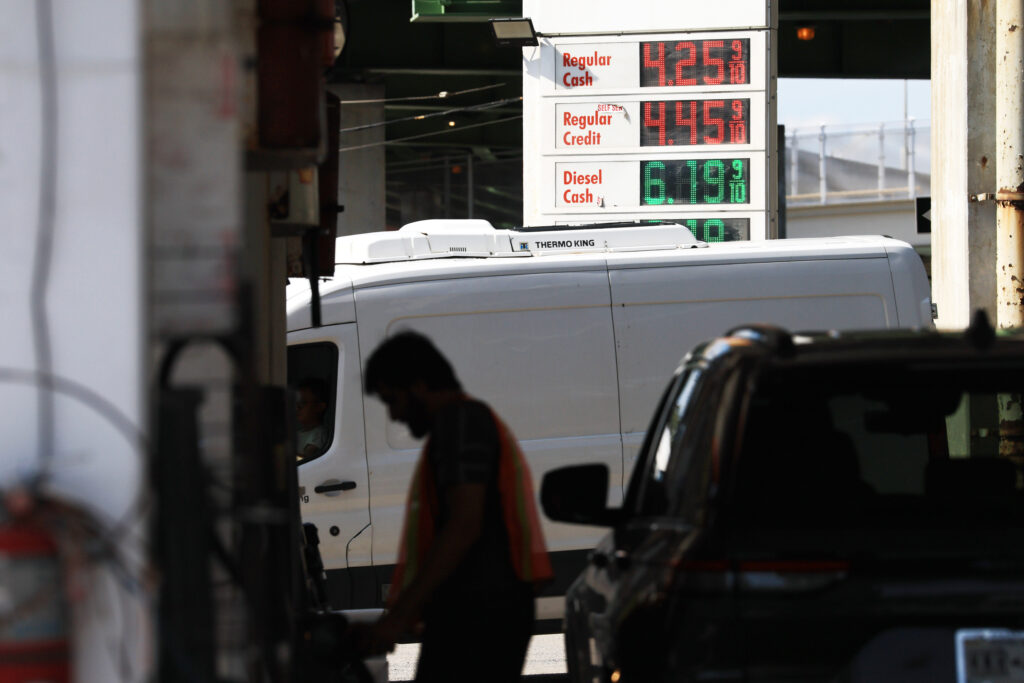
The price jump translates directly to American drivers. Each dollar increase in a barrel of crude oil typically adds roughly 2.4 cents per gallon at the pump. At $100 per barrel, U.S. gasoline prices face renewed upward pressure after months of relative stability. This comes as many consumers hoped for lower energy costs following the November 2024 election cycle.
Saudi Arabia remains the world's largest crude exporter, producing roughly 13 million barrels daily. The kingdom's Ghawar and Safaniyah fields rank among the planet's most prolific oil reservoirs. Any disruption to Saudi production cascades through global markets within hours. Tuesday's Houthi strikes targeted critical export infrastructure, not production wells, but the threat alone prompted traders to bid up prices on crude futures exchanges.
The Houthis, designated a terrorist organization by several Western nations, operate from Yemen with Iranian weapons and tactical support. Their Yemen-based position places them 800 nautical miles from major Saudi oil terminals. The group has conducted repeated drone and missile attacks on regional energy infrastructure since 2022, coinciding with the Saudi-led intervention in Yemen's civil war.
Global crude oil inventories sit at levels below their five-year historical average, according to the International Energy Agency. This tight supply buffer means even temporary production disruptions create immediate price volatility. Unlike the 1970s oil embargo, when OPEC wielded explicit production controls, today's price spikes stem from geopolitical risk premiums. Markets price in the possibility of future attacks rather than actual supply losses.
U.S. domestic production currently stands at 13.3 million barrels daily, the highest level in American history. This domestic capacity provides some buffer against imported oil shocks, but the U.S. remains integrated into global markets. American refineries process crude at Brent prices, the international benchmark, regardless of domestic production volumes.
The situation presents a challenge for Trump administration energy policy. Domestic oil industry executives favor higher crude prices, which boost profit margins and exploration investment. Lower prices harm drilling economics. Conversely, White House rhetoric has emphasized cheap energy for consumers. Tuesday's price spike exposed the tension between these competing priorities.
Markets remain watchful for further Iranian-backed escalation or Saudi counterstrikes. Insurance costs for ships transiting the Red Sea already reflect heightened risk. Energy traders have begun pricing in a "conflict premium" that adds roughly $10 to $15 per barrel depending on market stress levels. Any broader regional confrontation could easily push crude toward $120 per barrel, approaching 2022 levels when Russia invaded Ukraine.