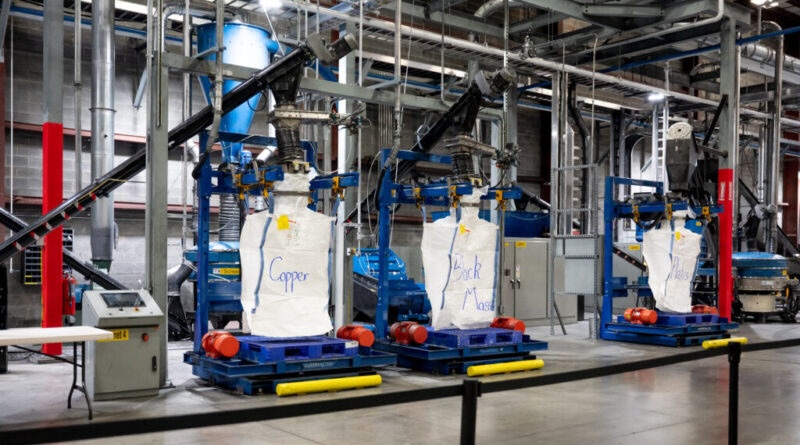
A Georgia-based battery recycling facility has resumed operations under new ownership following the bankruptcy of Ascend Elements, restoring domestic production of lithium carbonate for electric vehicle manufacturers and other industries. The transition signals that supply chain disruptions from the initial operator's collapse represent a temporary setback rather than a structural failure in American battery recycling capacity.
Ascend Elements, which had developed hydrometallurgical recycling technology to extract lithium from spent EV batteries, filed for bankruptcy despite receiving federal support through the Bipartisan Infrastructure Law. The company's closure threatened to disrupt efforts to build a closed-loop battery supply chain within the United States, reducing American dependence on lithium imports from Bolivia, Argentina, and Chile, which collectively control over 60 percent of global lithium reserves.
The Georgia facility processes end-of-life batteries from electric vehicles and stationary energy storage systems, converting lithium oxide and other battery chemistry materials into lithium carbonate. This recovered material meets battery-grade specifications for new pack manufacturing, eliminating the need for primary mining operations. Industry analysts estimate that recycling one ton of used lithium-ion batteries yields approximately 200 kilograms of recoverable lithium carbonate.
The new operator enters a market where lithium prices remain volatile. Spot prices for lithium carbonate fluctuated between $7,000 and $18,000 per metric ton over the past two years, driven by EV sales growth, battery demand cycles, and supply constraints. Domestic recycling reduces price exposure to international commodity markets and geopolitical supply disruptions.
Battery recycling addresses a timing problem in EV supply chains. While new lithium mining requires five to ten years of permitting and development, recycling facilities can begin processing materials from first-generation EV batteries within months. As EV sales accelerated through 2020-2023, the leading edge of battery returns now reaches recycling infrastructure. The Department of Energy projects that recycled lithium could supply 25 percent of U.S. demand by 2040 if current facility development continues.
The facility's continuation reflects broader policy momentum. The Inflation Reduction Act allocates tax credits for battery recycling and manufacturing. The Department of Energy's Battery Manufacturing and Recycling Grants Program distributed funding across multiple projects. Redwood Materials, owned by former Tesla battery engineer JB Straubel, operates commercial recycling facilities in Nevada and Arizona. Li-Cycle operates plants in Ontario, upstate New York, and Ohio. These operations complement primary mining projects in Nevada and Alaska that aim to diversify sourcing away from overseas suppliers.
The Georgia facility's restart removes uncertainty from EV manufacturers' recycled content sourcing strategies. Carmakers increasingly face scrutiny over their supply chain transparency and ethical sourcing practices. Domestically recycled lithium offers traceability advantages and reduces logistics emissions compared to material imported across ocean shipping routes.
Lithium recycling economics remain dependent on recovery rates and operational efficiency. Hydrometallurgical processes require careful control of water usage and chemical handling to avoid environmental contamination. The facility's new operators face pressure to demonstrate technical competence and environmental compliance to maintain federal support and attract customer contracts.
The resumption of the Georgia facility reinforces that battery recycling infrastructure, despite setbacks, remains central to reducing raw material volatility and building resilient U.S. EV supply chains.