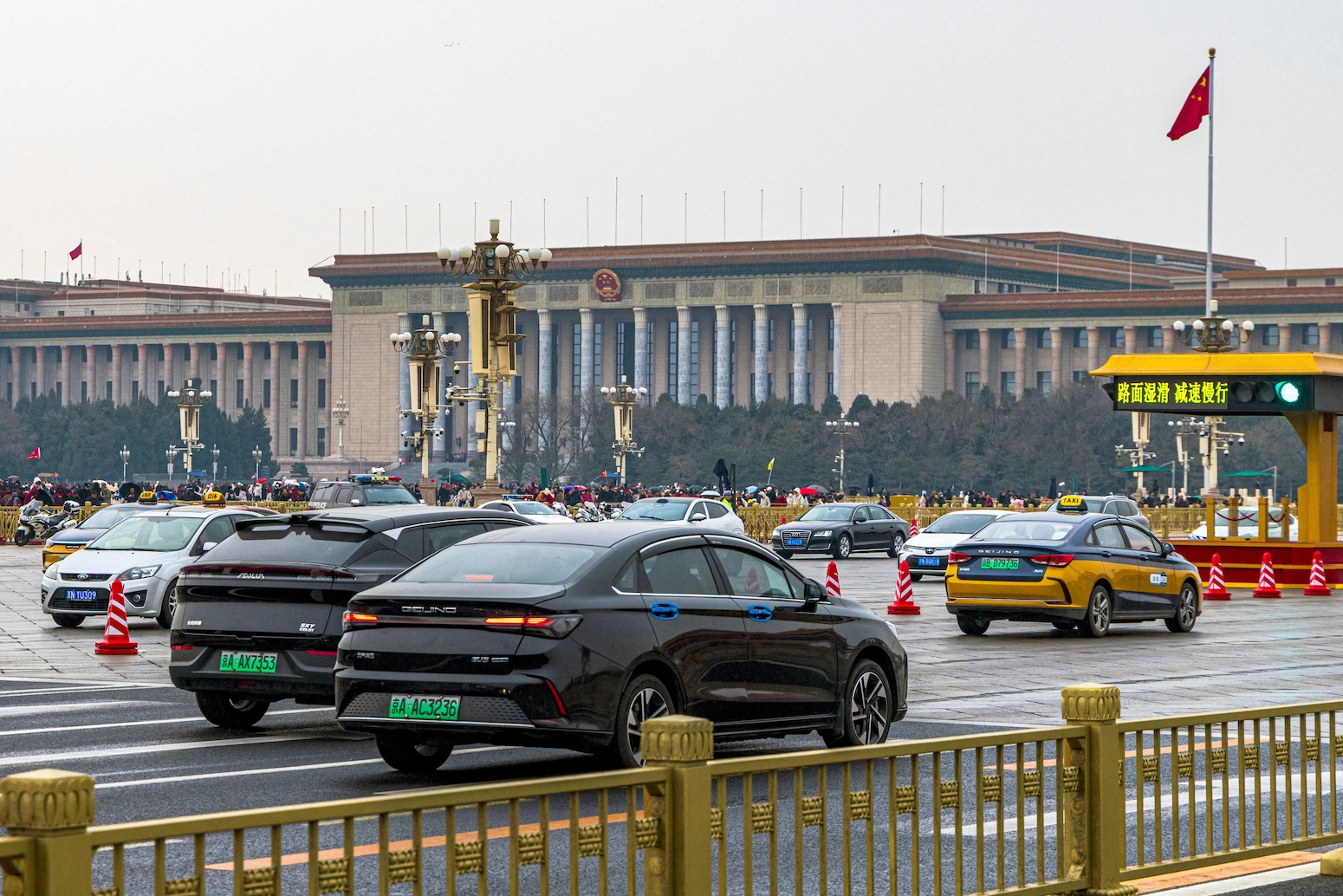
China recorded a 1% decline in carbon dioxide emissions during the second quarter of 2026, marking a rare reversal in a nation responsible for roughly one-third of global greenhouse gas output. The drop stemmed primarily from a sharp contraction in oil consumption across the world's second-largest economy.
The quarterly decline represents a notable inflection point for China, whose emissions trajectory has historically moved upward despite efforts to expand renewable energy capacity and tighten industrial regulations. The world's largest coal consumer has struggled to decouple economic growth from fossil fuel demand, with emissions accelerating in recent years as manufacturing output and transportation needs surged.
Oil consumption fell significantly during the April-June 2026 period, suggesting either weakening transportation demand, reduced chemical feedstock purchases, or both. Transportation accounts for roughly 60% of China's oil use, making vehicle-related activity a reliable indicator of economic momentum. The sharp pullback hints at slowing automotive demand or fewer commercial vehicles operating due to reduced freight movement.
Coal remained the dominant driver of China's energy system during this period, supplying roughly 55% of the nation's electricity generation. However, natural gas consumption and renewable energy output also expanded during Q2 2026, contributing to the modest overall emissions reduction. Wind and solar installations continue accelerating across China, with cumulative renewable capacity now exceeding 1,200 gigawatts as of mid-2026.
The one-quarter decline does not signal a sustained downward trend. China's emissions have grown in 15 of the past 20 years, with only pandemic-induced lockdowns in 2020 producing sharper temporary reductions. The second quarter 2026 dip may reflect seasonal factors, inventory adjustments, or temporary demand weakness rather than structural economic shifts.
Government policy continues pushing toward peak emissions before 2030, a target enshrined in China's commitments under the Paris Agreement. The National Development and Reform Commission has maintained carbon intensity reduction targets, requiring a 18% improvement in emissions per unit of GDP between 2021 and 2025. These intensity targets allow absolute emissions to rise even as efficiency improves, a critical distinction lost in many analyses.
Industrial electrification projects and vehicle charging infrastructure expansion accelerated during 2025 and early 2026. New energy vehicle sales reached 40% of total passenger vehicle sales in China during Q2 2026, up from 35% one year prior. This electrification trend directly reduces oil demand in the transport sector.
The emissions decline also reflects operational reductions at steelmaking and cement production facilities, sectors that together account for roughly 25% of China's total emissions. Capacity utilization rates fell as construction activity moderated, though this appears temporary rather than permanent.
Broader implications remain unclear. A single quarterly decline does not indicate emissions have peaked or that China's decarbonization efforts are accelerating beyond policy targets. Fossil fuel use remains entrenched across Chinese industry and transportation networks. However, the Q2 2026 data demonstrates that renewable energy expansion, electrification policies, and efficiency investments can produce measurable near-term reductions even within a growing economy.