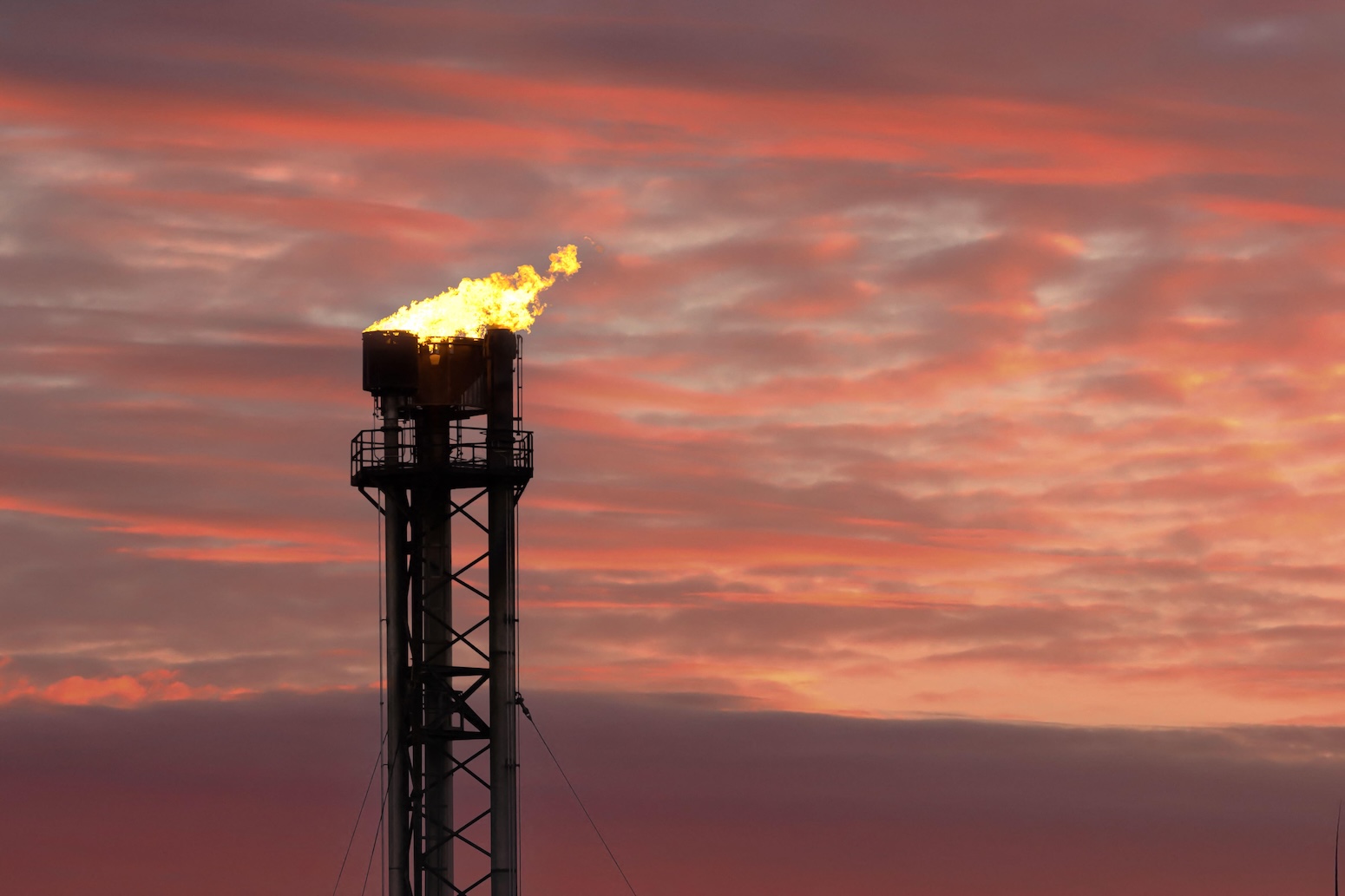
Methane emissions pose a direct threat to limiting global temperature rise to 1.5C or 2C, requiring aggressive reduction strategies that governments have largely overlooked in favor of carbon dioxide cuts alone.
Methane traps roughly 28 to 34 times more heat than CO2 over a 100-year period, and 80 times more over 20 years. Despite this potency, methane represents the second-largest driver of warming after CO2. The gas originates from oil and gas extraction, coal mining, livestock agriculture, wastewater treatment, and landfills. Atmospheric methane concentrations have doubled since pre-industrial times, accelerating warming in ways that CO2 reductions alone cannot address.
The Intergovernmental Panel on Climate Change (IPCC) has modeled pathways to limit warming to well-below 2C, as stipulated in the Paris Agreement. These pathways require methane emissions to decline 43-45 percent by 2030 compared to 2020 levels, and reach net-zero by 2070. Current policies fall far short. Global methane emissions continue rising, with energy sector contributions accounting for roughly 35 percent of total anthropogenic methane.
The International Energy Agency (IEA) identified methane abatement as one of the fastest, cheapest climate solutions available. Plugging leaks in natural gas infrastructure, recovering methane from coal mines, and reducing agricultural emissions through feed additives and manure management carry negative or near-zero costs in many cases. Yet investment in these measures remains minimal compared to renewable energy deployment.
Several nations have adopted methane reduction pledges. The United States Environmental Protection Agency (EPA) strengthened emissions standards for oil and gas operations under the 2023 Inflation Reduction Act. The European Union committed to cutting methane 29 percent by 2030. However, enforcement mechanisms remain weak. The Biden administration's EPA rules face legal challenges from oil and gas industry groups.
Agriculture presents both the largest opportunity and the steepest challenge. Livestock produces roughly 14 percent of global greenhouse gas emissions, with methane from ruminant digestion dominating. Feed additives like 3-NOP (3-nitrooxypropanol) reduce cattle methane by 20-30 percent but require farmer adoption and cost increases. Scaling remains limited in developing nations where livestock herds are expanding fastest.
Coal mining methane represents an underutilized resource. Recovered coal-seam methane can power electricity generation or be sold. China, the world's largest coal producer, captured less than 10 percent of available coal-seam methane as of 2020. Russia flares rather than captures most methane from oil production.
The financial sector increasingly recognizes methane risk. Credit Suisse, Barclays, and other banks have pledged to exclude financing for new coal mining projects. Yet natural gas infrastructure expansion continues globally, locking in decades of future methane leakage.
Delayed action compounds the problem. Each year of continued high emissions requires steeper cuts later to meet Paris targets. A 2023 study in Science Advances found that delaying methane cuts by a single decade raises the cost of climate mitigation by 40 percent. Methane's rapid atmospheric residence time (roughly nine years versus 300 for CO2) means near-term reductions yield immediate warming benefits.
Policymakers face a window closing rapidly. Meeting 2030 methane targets demands transforming energy and agricultural systems within the next six years. Current national commitments lack the enforcement mechanisms, financing, and technological deployment to deliver cuts at the required scale. Without methane action, Paris Agreement goals shift from ambitious to unattainable.