# California Dairy Farm Converts Manure to Biogas in First-of-Its-Kind Project
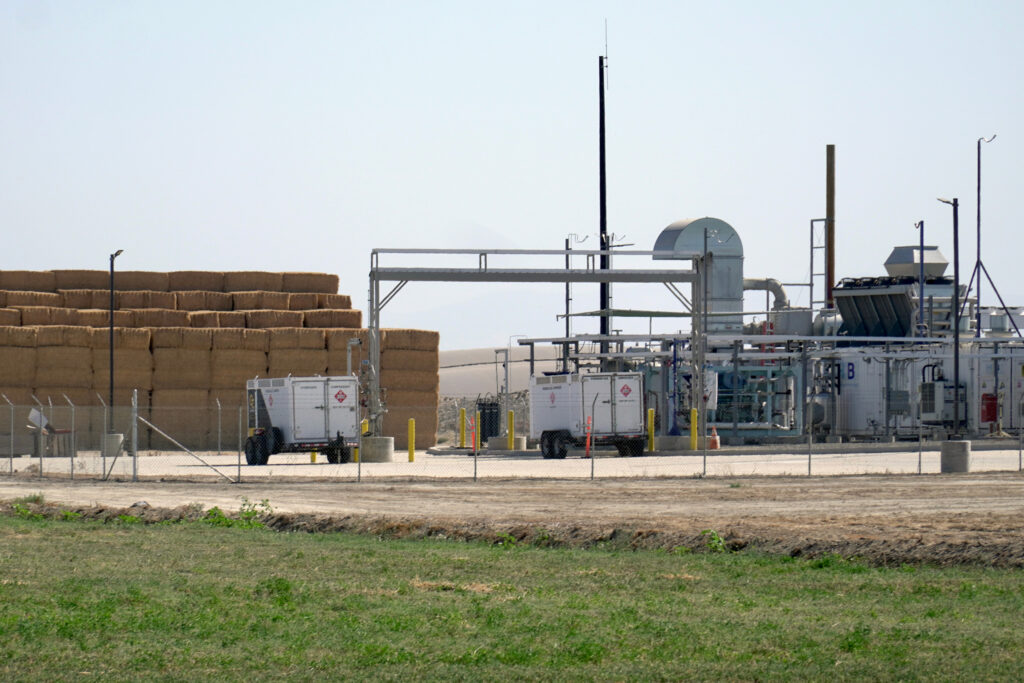
In Kerman, California, a dairy operation has begun converting cow manure into renewable energy through a biogas digester system, marking the first project of its kind in the state to combine methane capture with carbon credits under new state regulations. The facility captures methane that would otherwise escape from animal waste, converts it to electricity and heat, and sells the remaining biogas as renewable natural gas.
The project operates in San Joaquin Valley, one of the nation's most productive agricultural regions and also one of its most polluted. Dairy farms across California generate significant methane emissions. According to the U.S. Environmental Protection Agency, agriculture accounts for roughly 10 percent of national greenhouse gas emissions, with livestock operations responsible for a large portion of that total. California's dairy sector alone produces roughly 1.7 million tons of methane annually, making manure management a critical climate policy target.
Biogas digesters capture methane from decomposing animal waste in anaerobic conditions. The captured gas fuels engines that generate electricity, which feeds back into the power grid or supplies the farm directly. Some systems, like this one, also process the gas for injection into natural gas pipelines. The technology itself is not new. What distinguishes this project is its integration with California's cap-and-trade carbon market and the state's newly expanded methane reduction standards.
California's 2030 methane reduction target requires a 40 percent cut from 2020 levels. The state's Department of Food and Agriculture and Air Resources Board have prioritized dairy emissions as a key pathway to meeting that goal. This Kerman project provides a tested framework for other operations to follow. The facility's developers structured it to generate revenue through multiple streams. Farms receive income from electricity sales, gas pipeline payments, and carbon offset credits sold in California's cap-and-trade system.
The project also reflects growing tension within California agriculture. Some dairy operators view methane capture technology as economically viable and necessary for regulatory compliance. Others express skepticism about the costs of retrofitting existing facilities and the long-term reliability of carbon credit markets. The up-front capital investment in biogas digesters typically ranges from $500,000 to $2 million depending on herd size and system complexity.
Environmental groups acknowledge the digester's role in reducing emissions but caution that the project alone does not solve California's dairy crisis. Air quality in San Joaquin Valley remains among the worst in the nation, driven by both agricultural emissions and vehicle traffic. Methane reduction addresses climate goals but does not address the nitrogen and particulate matter that contribute to local smog and respiratory disease.
The Kerman facility represents a test case for scaling biogas technology across California's roughly 1,100 dairy farms. Other states including Wisconsin and New York have expanded biogas programs through incentive grants and loan programs. California's approach relies more heavily on market mechanisms and regulatory mandates. The project's success or failure over the next two years will influence whether similar systems expand across the state or remain limited to early adopters willing to absorb higher financial risk.