A new study attributes half of the American West's climate-driven water loss directly to emissions from the world's largest fossil fuel producers, establishing a causal link between specific corporations and regional drought conditions.
Researchers found that between 2014 and 2024, climate change eliminated over one-third of the region's typical annual snowpack and reduced streamflows by approximately 13 percent. The study, published Tuesday and characterized as groundbreaking by climate analysts, used atmospheric modeling to trace water losses to their emission sources.
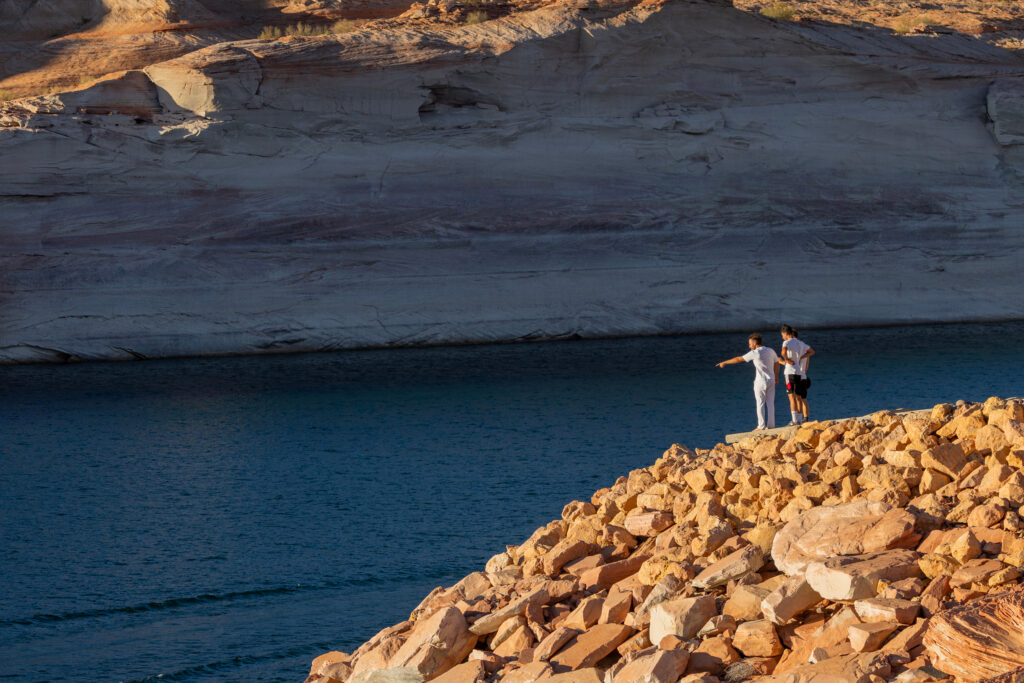
The West faces acute water stress. The Colorado River, which supplies 40 million people across seven states and Mexico, has shrunk dramatically. Lake Mead and Lake Powell, the two largest reservoirs in the United States, fell to historic lows in recent years. Reduced snowpack compounds the crisis because spring snowmelt traditionally sustains the region through dry months.
The research methodology differs from previous climate attribution work. Rather than simply linking warming temperatures to water loss, the authors constructed emissions scenarios. They modeled atmospheric conditions under actual historical emissions, then modeled what conditions would have been without contributions from major fossil fuel producers. The difference between these scenarios quantified each emitter's specific responsibility for the West's water deficit.
This approach makes corporate accountability measurable. Oil, gas, and coal producers bear direct responsibility for half of the documented streamflow reductions. The finding parallels carbon accounting frameworks now emerging in climate litigation. Courts and regulators increasingly use attribution science to establish causation between emissions sources and specific harms.
The study arrives as Western states negotiate water allocation agreements. The Colorado River Compact, drafted in 1922 and based on unusually wet conditions, allocated 16.5 million acre-feet annually. Current flows supply only about 12.4 million acre-feet. States have cut usage, but shortages persist. The Interior Department has implemented mandatory reductions in Arizona, Nevada, and California.
Water loss accelerates due to warming temperatures, not just reduced precipitation. Higher temperatures increase evaporation from reservoirs and soil, and melt snow earlier in the season when it cannot be fully captured. Warmer air also reduces snowfall relative to rain at high elevations.
Agricultural users consume about 80 percent of the Colorado River's water. Urban growth in the region depends on secure supplies. Las Vegas, Phoenix, and other major cities face cutbacks. California agricultural operations in the Imperial Valley and Central Valley increasingly rely on groundwater, depleting aquifers faster than recharge rates.
The paper's attribution methodology strengthens arguments in climate tort cases. Municipalities and states have sued fossil fuel companies seeking damages for climate impacts. Previous cases failed partly because causation was difficult to establish. This research provides the mechanistic link between specific emitters and tangible regional harm.
The West's water crisis will intensify. Federal climate assessments project further temperature increases and precipitation declines. Model projections suggest continued snowpack loss and sustained streamflow reductions through 2050 even under moderate emissions scenarios.
States are developing contingency plans. Arizona has invested in water banking and desalination research. California expanded groundwater monitoring. Nevada promotes conservation standards. These adaptations address symptoms, not causes. Without emissions reductions, the underlying driver of water loss persists.
The study underscores a core climate reality: regional damage concentrates from global emissions, but specific producers bear measurable responsibility for specific harms.