# Texas Data Centers Driving 50% Surge in Planned Gas Power Generation
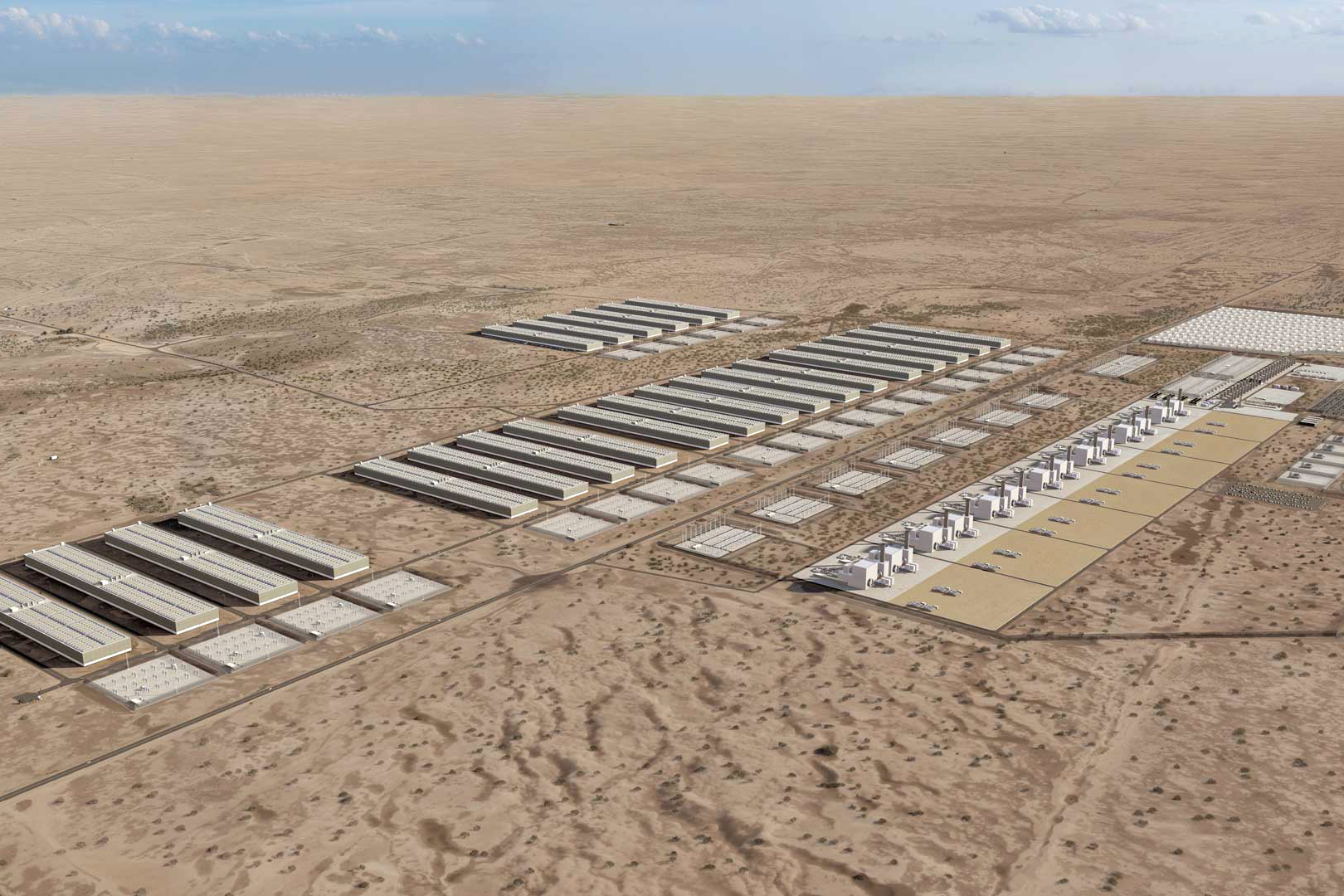
Data center developers in Texas are planning twelve large-scale natural gas power plants exclusively to meet their electricity demands, according to infrastructure tracking data released Tuesday by Global Energy Monitor. The organization's analysis reveals that all of the largest gas generation projects currently proposed in the state target data center operations.
The planned capacity represents a dramatic acceleration in fossil fuel infrastructure. Texas has seen a 50 percent increase in planned gas power generation over the last period tracked, with data centers now functioning as the primary driver of this expansion. This surge contradicts the state's renewable energy leadership. Texas generates more wind power than any other state, yet electricity demand from computing facilities is locking in decades of natural gas consumption.
Global Energy Monitor documented the shift by cross-referencing power plant proposals with data center development announcements. The twelve projects directly correspond to announced data center construction timelines and power requirements. Data centers require continuous, reliable baseload power. Unlike intermittent renewable sources, natural gas plants provide consistent generation. Developers cite grid reliability concerns when selecting fuel sources, though battery storage and demand management technologies continue advancing.
The expansion raises emissions implications. Natural gas combustion releases approximately 450 grams of CO2 per kilowatt-hour of electricity generated. A single large data center consumes 100 to 150 megawatts continuously. Over 40-year plant lifespans, proposed Texas facilities will emit hundreds of millions of tons of carbon dioxide. This locks in decades of emissions during a period when atmospheric CO2 concentrations exceed 420 parts per million and the International Energy Agency calls for rapid fossil fuel phase-out.
Texas policymakers have not restricted data center power procurement. The state's deregulated electricity market allows companies to build dedicated generation or enter long-term power purchase agreements. No requirement exists for renewable energy integration or emissions performance standards specific to data center projects. Neighboring Arizona and Virginia recently adopted data center energy standards requiring renewable sourcing, but Texas lacks equivalent mandates.
The buildout reflects artificial intelligence infrastructure investment. Major technology companies have announced multi-billion-dollar data center expansions targeting Texas locations due to electricity costs, available land, and limited regulations. Bitcoin mining operations also drive demand. These facilities operate constantly, consuming power at rates comparable to mid-sized cities.
Renewable advocates argue Texas should mandate renewable power matching for new data centers. The state possesses sufficient solar and wind capacity to serve growth without gas expansion. Battery costs have declined 89 percent over the last decade, making storage increasingly viable for addressing intermittency. Updated interconnection standards could accelerate renewable development.
Global Energy Monitor's findings shift focus toward state-level policymaking. The Texas Public Utility Commission and state legislature control interconnection rules, siting authority, and renewable requirements. Federal investment tax credits support renewable development, but states determine implementation. Texas decisions will influence national energy trajectories given the state's economic scale and energy production volume.
The twelve projects remain in planning stages. Permitting, environmental review, and construction timelines vary. Some developments may face delays from interconnection queue backlogs or community opposition. Nevertheless, absent policy intervention, Texas will substantially expand natural gas infrastructure specifically dedicated to data center operations over the next five years.