Long-duration energy storage (LDES) refers to systems that can store electrical energy for extended periods, typically 10 hours or more, to balance grid supply when renewable generation drops. The UK is accelerating deployment of these technologies as wind and solar capacity expands.
Traditional lithium-ion batteries excel at short-duration storage, handling minute-to-hour fluctuations. They cannot economically manage seasonal or multi-day gaps when renewable output falls. LDES fills this gap by storing surplus energy during high wind or solar periods for release during low-generation windows.
The UK Grid Services and Electricity System Operator (ESO) identified LDES as critical infrastructure. With the government targeting 50 gigawatts of offshore wind and 70 gigawatts of solar by 2030, grid stability demands storage capacity that persists for days. Without it, the grid risks shortfalls during winter calm periods or sustained cloud cover.
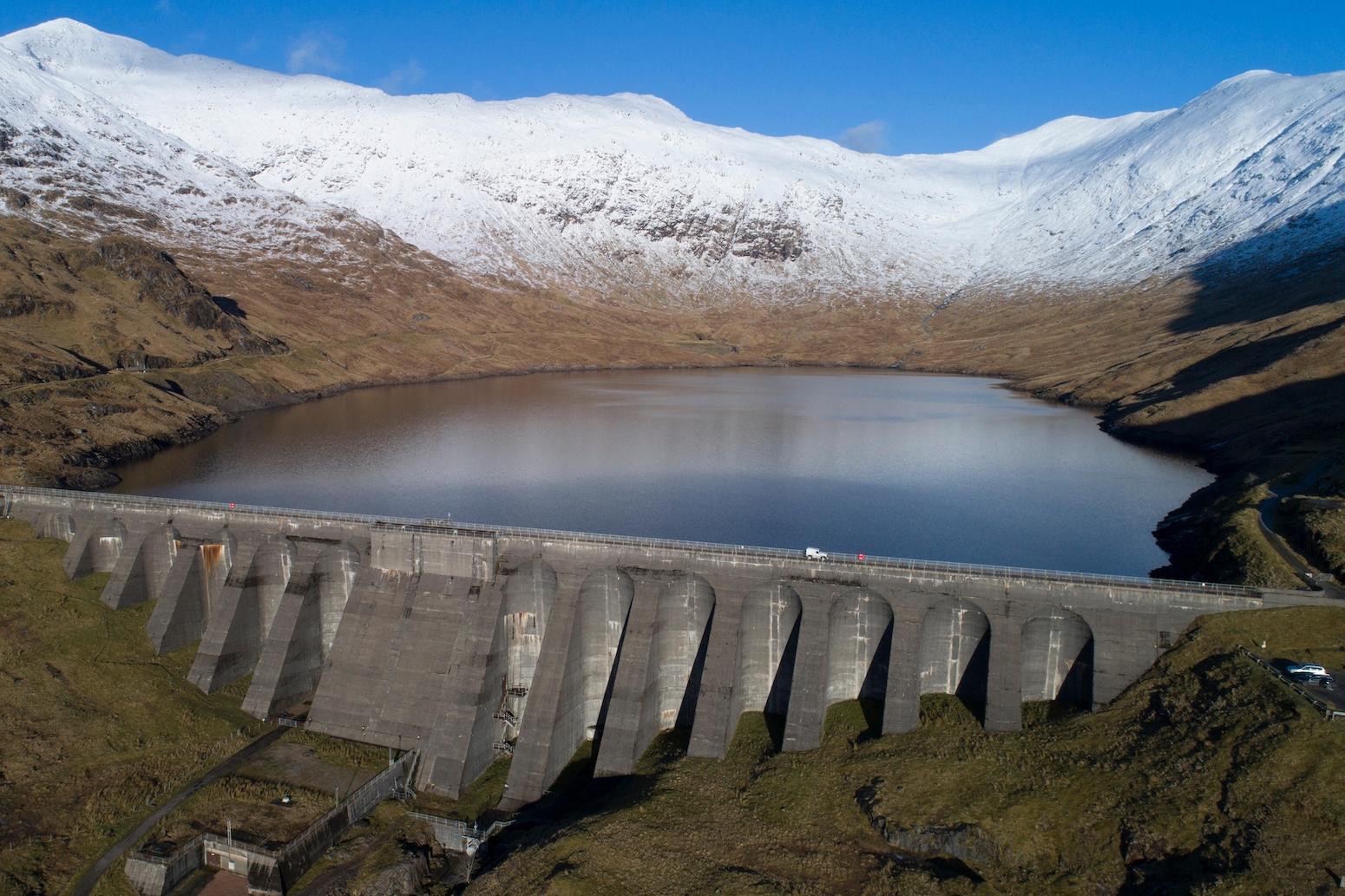
Several LDES technologies compete for deployment. Compressed air energy storage (CAES) compresses air into underground caverns, releasing it through turbines when needed. Pumped hydroelectric storage, already established in Scotland, uses excess electricity to pump water uphill, then releases it through generators. Thermal storage systems heat molten salt or other materials, converting heat back to electricity later. Emerging hydrogen electrolysis systems convert surplus electricity into hydrogen gas for storage and reconversion in fuel cells or turbines.
The National Infrastructure Commission recommended the UK deploy at least 20 gigawatt-hours of LDES capacity by 2035. Current deployment lags significantly. Only a handful of LDES projects operate in Britain, though several are under development.
Costs remain the primary barrier. Hydrogen electrolysis and some CAES systems require major capital investment, though prices decline as deployment scales. Government funding mechanisms, including the £1