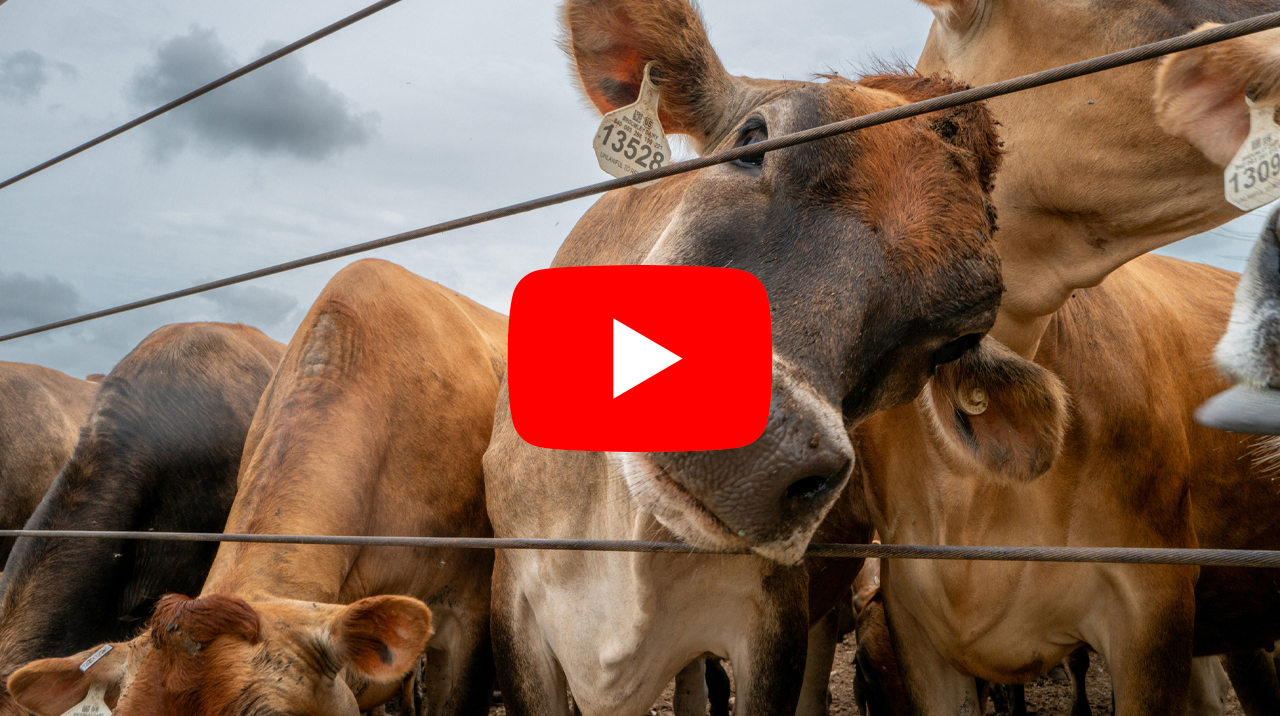
# Industrial Livestock's Hidden Climate Toll
Inside Climate News examines the sprawling environmental footprint of American animal agriculture through a new podcast episode featuring reporters Georgina Gustin and Lisa Sorg. Co-host Jake Bolster guides listeners through the interconnected impacts of how the U.S. feeds and raises cattle, poultry, and swine destined for meat production.
The livestock sector generates emissions across multiple stages. Feed production requires substantial cropland, often driving deforestation and soil degradation. Cattle digestion produces methane, a greenhouse gas 28 to 36 times more potent than carbon dioxide over a century-long timeframe. Animal waste management releases nitrous oxide, another potent climate pollutant. Feed transport, processing facilities, and refrigerated distribution networks add additional carbon costs.
Beyond climate, industrial animal agriculture strains water resources through both direct consumption and pollution from nutrient runoff. Large concentrated animal feeding operations (CAFOs) create localized air quality problems. Antibiotic use in livestock contributes to resistant bacteria that threaten human medicine.
The podcast format allows Gustin and Sorg to explore these cascading impacts with nuance. They address how dietary choices, agricultural policy, and food system infrastructure shape emissions trajectories. The reporting aligns with research showing that meat production accounts for roughly 14 percent of global greenhouse gas emissions, with American consumption patterns among the highest per capita worldwide.
Inside Climate News makes the episode available across major platforms including YouTube, Spotify, Apple Podcasts, and Amazon Music, ensuring broad accessibility. The project reflects growing journalistic focus on food systems as a climate lever often overshadowed by energy sector coverage.