China's government has unveiled its 15th five-year plan focused on climate action, marking the first standalone policy framework dedicated entirely to addressing climate change in the country's history.
The plan sets binding targets across multiple sectors. China commits to reducing carbon intensity, the amount of CO2 emitted per unit of GDP, by 18 percent between 2021 and 2025. The framework also establishes goals for expanding renewable energy capacity and phasing down coal consumption in major industrial regions.
The policy introduces mandatory emissions controls for large enterprises and establishes a national carbon market mechanism to incentivize reductions. Steel, cement, and chemical manufacturing face stricter performance standards. The plan allocates funding for renewable energy infrastructure, particularly solar and wind installations, positioning China to lead global clean energy deployment.
Officials framed the plan as essential to meeting China's carbon neutrality target by 2060 and its commitment to peak emissions before 2030. Both goals align with pledges made under the Paris Agreement framework.
The plan's scope extends beyond energy. It includes targets for afforestation, methane emissions reduction from agriculture and waste, and circular economy initiatives across manufacturing sectors. Provinces receive individualized emissions reduction targets, creating accountability below national government levels.
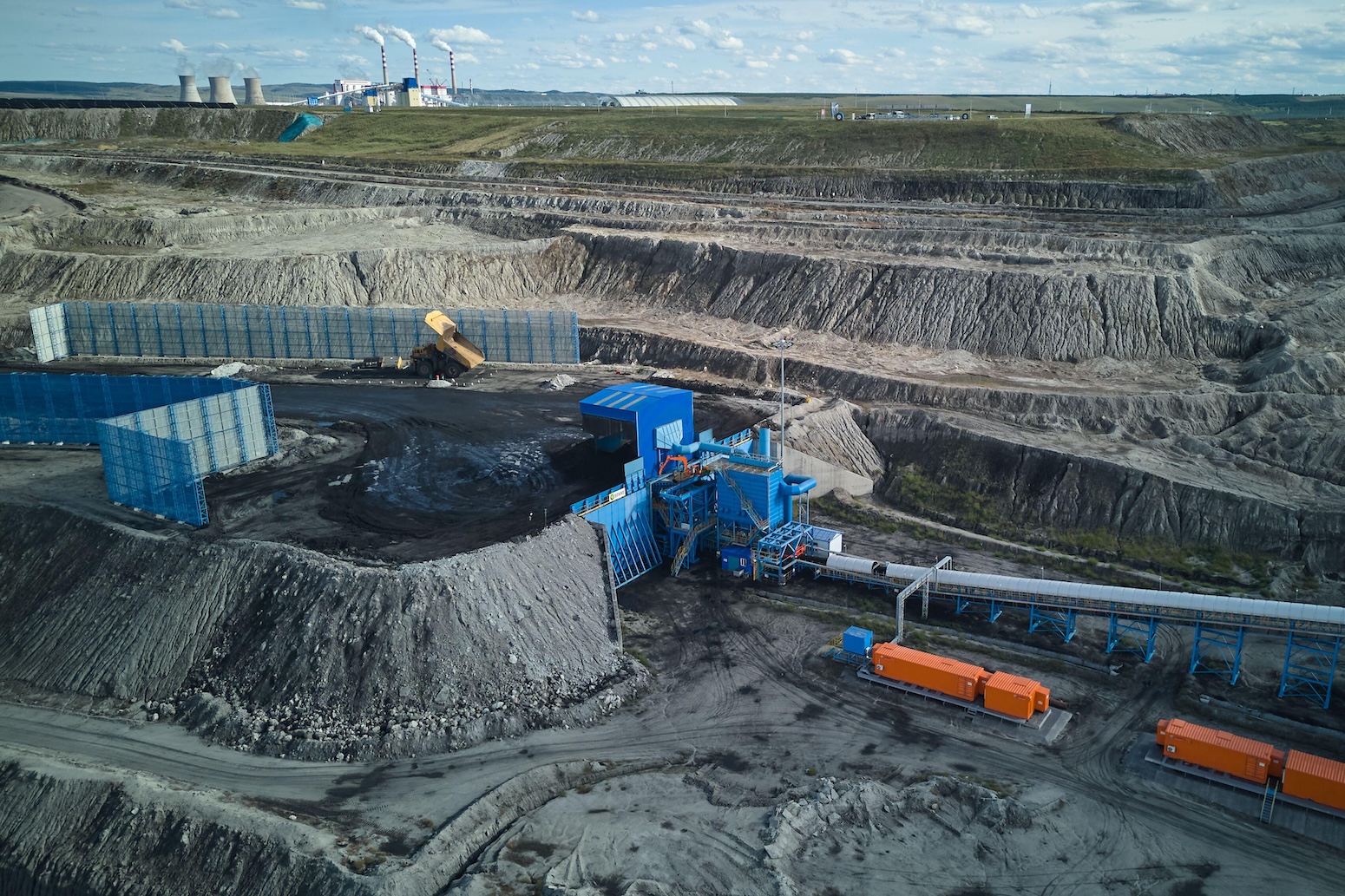
Analysts note the plan represents a shift toward policy consistency and long-term climate investment, moving beyond ad-hoc measures. However, implementation challenges remain. Coal still dominates China's energy mix, and the phase-down targets face resistance from provinces dependent on coal mining revenues. Industrial energy demands continue rising alongside economic output.
The framework establishes mechanisms for monitoring compliance and penalizing non-compliance. Provincial governments must integrate climate targets into economic planning and performance evaluations for local officials.
China's announcement reflects mounting international pressure and domestic air quality concerns. The country currently accounts for approximately 30 percent of global carbon emissions. Successful implementation of this plan would substantially impact