Philadelphia faces a widening gap between its climate commitments and its budget reality, as extreme weather intensifies while municipal spending decisions ignore long-term environmental planning.
The city experienced severe climate impacts this summer, including wildfire smoke, extreme heat, flash flooding, and severe storms that reflect broader patterns of escalating weather extremes. Yet during spring budget negotiations, climate policy received minimal attention from city officials.
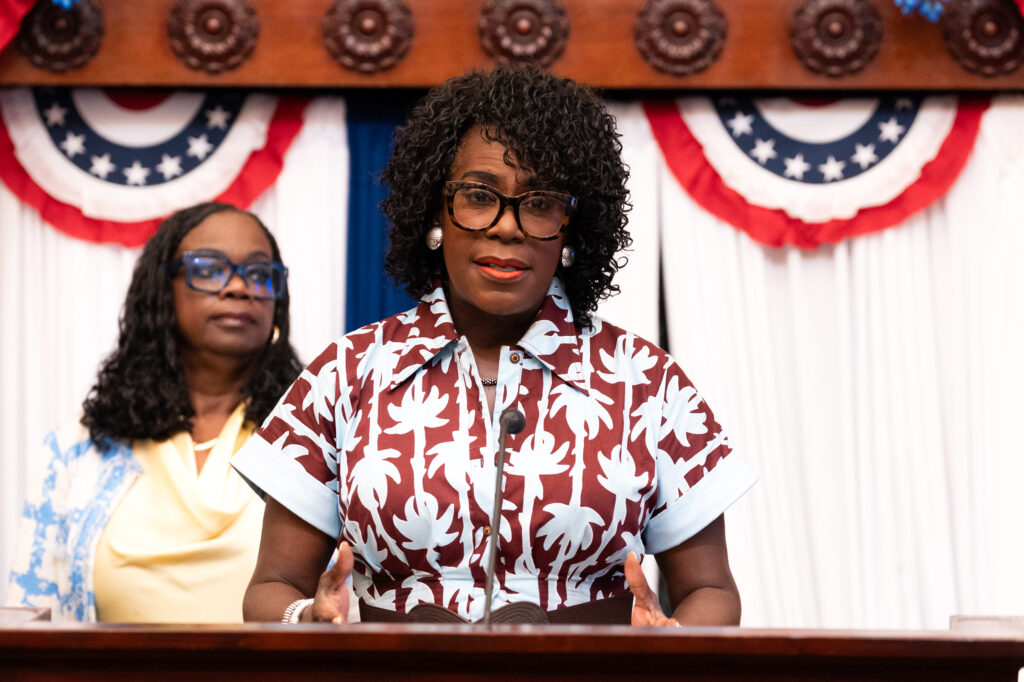
Democratic council members Mark Squilla and Jamie Gauthier flagged this disconnect. The omission matters because Philadelphia has established climate targets requiring substantial investment in infrastructure resilience, emissions reductions, and adaptation measures. Without explicit budget allocation toward these goals, the city risks falling behind on its environmental commitments while suffering mounting costs from climate-related disasters.
The tension reflects a common municipal challenge: short-term fiscal constraints collide with long-term climate necessities. Budget negotiations typically prioritize immediate operational needs, labor agreements, and essential services. Climate resilience projects, which require upfront capital investment for future payoffs, often lose out in compressed budget timelines.
Philadelphia's approach mirrors struggles in other major cities. Infrastructure upgrades to handle flooding, cooling centers for heat waves, and emissions-reduction programs all require dedicated funding streams. When these line items remain absent from budgets, implementation stalls regardless of stated climate goals.
The stakes extend beyond environmental metrics. Cities that delay climate adaptation face escalating costs. Each extreme weather event strains emergency services, damages infrastructure, and disrupts economic activity. The American Society of Civil Engineers estimates significant annual costs from deferred infrastructure maintenance and climate impacts.
Squilla and Gauthier's intervention suggests growing awareness among some council members that budget choices are climate choices. Their advocacy may signal pressure for explicit climate line items in future municipal budgets, ensuring resources actually reach promised projects rather than remaining aspirational goals.
Philadelphia must align its spending with its environmental targets or risk widening the gap between