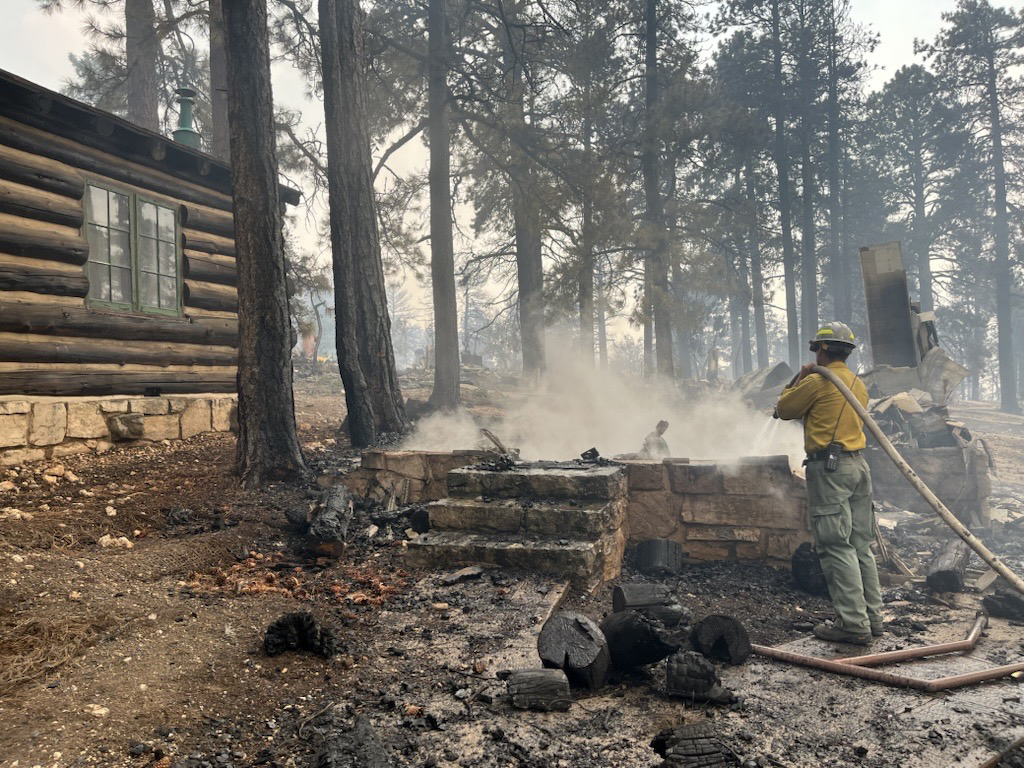
Wildfires intensified by climate change now threaten the majority of America's historically designated sites, according to research released this spring and summer.
A May study found wildfire risk affects most federally recognized historic sites across the country. These include centuries-old homes, churches, cemeteries, and other landmarks that anchor American cultural heritage. A follow-up analysis published recently projects that escalating climate impacts will substantially worsen this threat over coming decades.
The research underscores a largely overlooked dimension of climate change in the United States. While scientists have extensively documented wildfire risk to forests, watersheds, and infrastructure, the specific vulnerability of cultural and historical sites has received less attention from policymakers and the public.
The studies identify concrete threats to tangible heritage. Historic structures typically employ materials and construction methods designed for climates that no longer exist. Many lack modern fire suppression systems. Properties located in rural areas face delayed emergency response. Communities with limited budgets struggle to implement protective measures like defensible space clearing or fire-resistant retrofitting.
The research arrives as wildfire seasons have lengthened dramatically. The average wildfire season now extends roughly 78 days longer than in the 1970s, according to federal data. Western states saw record acreage burn in recent years, with the 2023 wildfire season consuming millions of acres.
Federal agencies including the National Park Service and the Forest Service manage many threatened historic sites. State historic preservation offices oversee additional properties. Coordination between these entities remains uneven, and funding for mitigation work falls short of identified needs.
The implications extend beyond nostalgia. Historic sites generate tourism revenue, provide educational opportunities, and anchor community identity. Their loss represents irreplaceable damage to the archaeological record and cultural continuity.
Climate scientists project fire danger will increase further as average temperatures rise and drought conditions intensify across the West and increasingly across other regions. Without