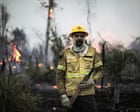
Wildfire smoke is choking North America and Europe as extreme heat kills thousands, reshaping summer itself into a climate crisis. Rebecca Solnit documents a continental disaster unfolding across multiple fronts.
An estimated 20,000 people died from extreme heat in Europe earlier this year. Heat operates as climate change's "quiet killer," less visible than floods or fires but equally lethal. Eastern Washington saw 600 homes destroyed in recent fires. Firefighters have died battling climate-fueled firestorms in both Europe and North America.
The smoke from these fires extends far beyond active burn zones, creating dangerous air quality across entire regions. Particulate matter dims sunlight itself, altering its color into what Solnit describes as "grimly unsettling" tones. The phenomenon robs populations of basic enjoyment of summer.
This cascade of disasters reflects a fundamental shift in planetary systems. Summer temperatures now regularly exceed historical norms by dangerous margins. Drought conditions intensify fire seasons. Heat domes persist longer and strike harder than previous decades recorded.
The interconnected nature of these events reveals climate change operating as a compounding system rather than isolated incidents. Heat drives fire conditions. Fires generate smoke that affects air quality across state and national boundaries. Both phenomena displace populations and strain emergency services simultaneously.
Solnit frames this moment as the consequence of "a war on nature," suggesting humanity's extraction-based economy has triggered natural systems to destabilize in response. The "climate warzone" metaphor captures the violent, destabilizing character of current conditions. Communities face simultaneous threats from heat, fire, smoke, and resource scarcity.
Recovery timelines stretch across years. Infrastructure damaged by extreme events requires substantial rebuilding. Public health impacts from heat and air pollution persist long after immediate crises pass. Healthcare systems strain under surge demand during heat waves and fire seasons.