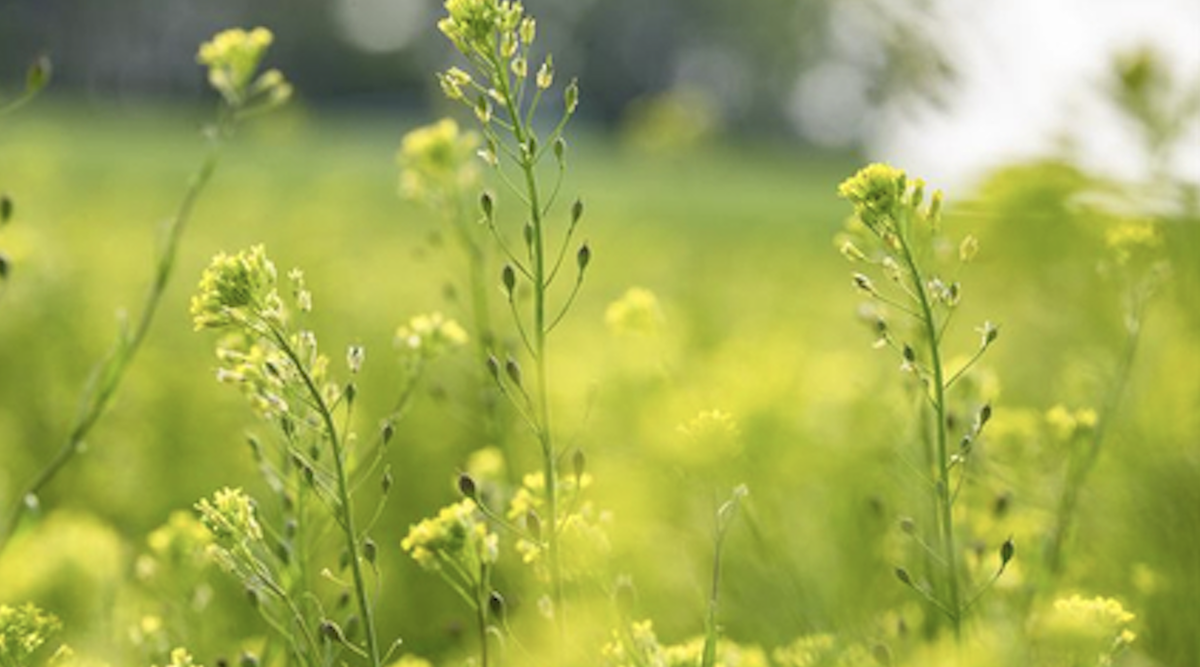
The sustainable aviation fuel sector continues expanding despite the Trump administration's retreat from federal clean energy priorities. Winter camelina and other biomass energy crops are gaining traction as viable feedstocks for SAF production, a development that undercuts reliance on conventional jet fuel derived from petroleum.
SAF represents a direct substitution technology. Aircraft operators can blend SAF with conventional kerosene at approved ratios without modifying engines or fuel infrastructure. The fuel cuts lifecycle greenhouse gas emissions by up to 80 percent compared to fossil jet fuel, according to ASTM International standards governing SAF specification. Major carriers including Delta Air Lines and fuel suppliers like Shell have committed to expanding SAF procurement.
Winter camelina offers particular advantages as a biomass feedstock. The oilseed crop requires minimal agricultural inputs, grows on marginal land unsuitable for food production, and produces oil convertible to jet fuel through hydroprocessing. This addresses a core constraint in SAF scaling: securing sufficient biomass without competing with food systems or driving deforestation.
The market momentum reflects dynamics independent of federal mandates. Airlines face pressure from corporate customers, investors, and regulatory frameworks in Europe and other jurisdictions that impose sustainability requirements on aviation fuel. The Sustainable Aviation Fuel Grand Challenge, established under the Biden administration, set a goal of producing 3 billion gallons annually by 2030. While federal SAF tax credits face uncertainty under the current administration, existing production facilities and contracts remain operational.
Production capacity has expanded. Multiple refineries now produce SAF at commercial scale. Shell operates a facility in Germany producing 820 barrels daily. Neste, the world's largest SAF producer, increased output capacity significantly in recent years. These investments reflect genuine demand from airlines seeking to meet sustainability commitments.
The biomass-to-aviation-fuel pathway creates economic incentives that persist independent of political cycles. Farmers gain revenue from