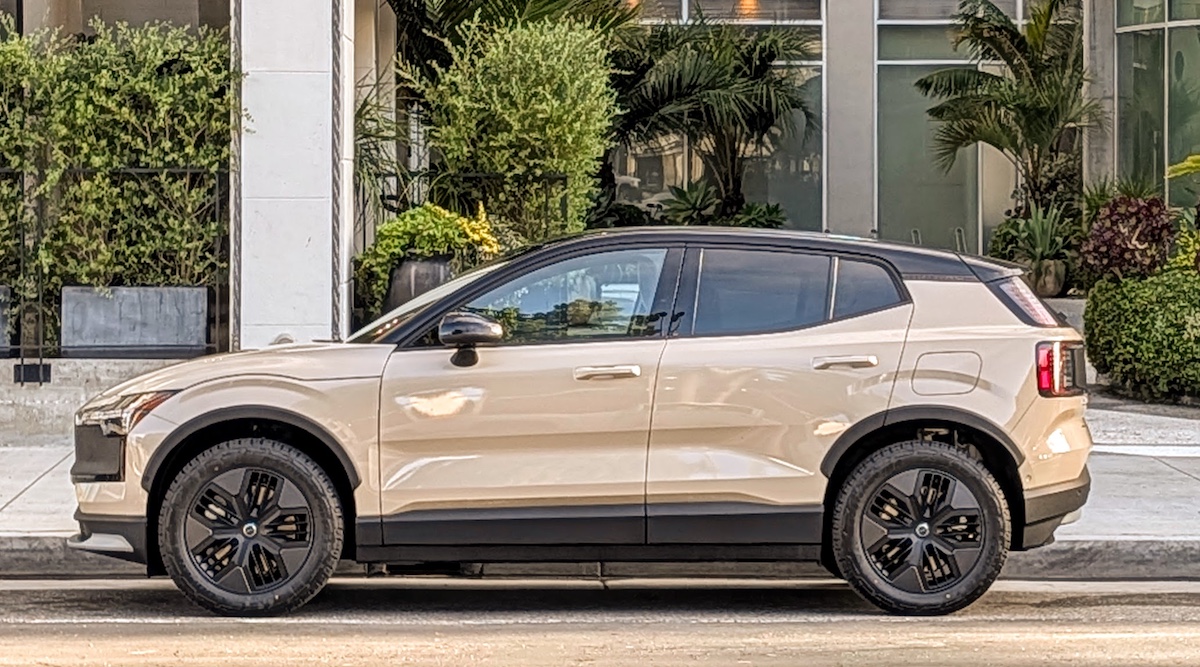
California launched the MyFirstEV program to revive electric vehicle adoption after the federal tax credit ended under the Trump administration. The state's new financial incentive initiative officially began operations with 14 manufacturers enrolled.
The program directly addresses a decline in EV purchases following the federal credit's termination. By offering state-level incentives, California aims to sustain momentum in vehicle electrification across income levels, particularly targeting first-time EV buyers.
Fourteen automakers have committed to participate in MyFirstEV, though the article does not specify which manufacturers joined. Their enrollment signals industry recognition of California's role as the nation's largest EV market. The program represents a shift in support mechanisms, moving responsibility from federal to state funding as political dynamics changed.
California's approach fills a policy vacuum. With Congress unable to extend federal incentives, the state deployed its own resources to maintain purchase incentives. This strategy reflects California's authority under Clean Air Act waivers to set stricter emissions standards than federal requirements, a power the state now extends to consumer financial support.
The timing proves critical. EV adoption rates depend heavily on price competitiveness with gasoline vehicles. Without purchase incentives at either level, affordability barriers resurface for middle and lower-income buyers. California's intervention targets this gap by subsidizing purchase costs directly.
The MyFirstEV program arrives as U.S. transportation emissions remain the second-largest source of greenhouse gas pollution nationwide, accounting for roughly 29 percent of total emissions. California produced approximately 120 million metric tons of carbon dioxide equivalent from transportation in 2023. Shifting vehicle sales toward zero-emission models directly reduces this sector's climate impact.
The 14 participating manufacturers represent diverse segments of the market, from traditional automakers to newer EV-focused companies. Their participation demonstrates that incentive programs attract manufacturer cooperation despite federal policy uncertainty.
Program details regarding income th