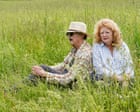
Gordon Chaplin, a farmer in Hebron, New York, struggles to walk the hill behind his farmhouse that he once ran up with ease. He has Parkinson's disease. Chaplin is one of several farmers and family members in the rural town who suspect paraquat, a widely used herbicide, caused their neurological illness.
Paraquat faces a growing body of scientific evidence linking it to Parkinson's disease. The compound has been banned in over 70 countries due to health concerns. Despite this international consensus, the herbicide remains legal in the United States, where it continues to be applied to agricultural lands across multiple states.
The situation in Hebron reflects a broader tension between agricultural practice and public health regulation. Farmers in the region have applied paraquat for decades, often without understanding its potential risks. Now, clusters of Parkinson's cases in farming communities are raising alarms about occupational exposure.
The U.S. Environmental Protection Agency has faced mounting pressure to restrict or ban paraquat domestically. Studies have documented associations between paraquat exposure and increased Parkinson's risk, particularly among agricultural workers with genetic susceptibility. Some research suggests the herbicide disrupts dopamine-producing neurons in the brain, the cellular damage underlying Parkinson's.
New York State has not yet implemented restrictions on paraquat use. Residents and advocacy groups are calling for a state-level ban, arguing that waiting for federal action leaves farmers and their families vulnerable to continued exposure. The chemical persists in soil and groundwater, extending risk beyond those who directly handle it.
The case underscores how regulatory gaps allow substances deemed unsafe internationally to remain in use domestically. Paraquat manufacturers maintain the herbicide is safe when applied according to label instructions, but critics note that occupational and environmental exposure patterns often exceed standard guidelines. For Chaplin and others in Heb