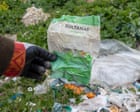
Britain exported 139,000 tonnes of plastic waste to Turkey in 2025, concentrating disposal burdens on smallholder farmers and impoverished neighborhoods in Adana, a southern agricultural region. The waste stream carries microplastics and generates toxic smoke from informal processing operations, contaminating soil, water, and crops across Turkey's farming heartland.
Farmers like Ayhan report plastic debris accumulating in waterways adjacent to their fields during harvest seasons. The clustering of recycling operations upstream of agricultural zones creates a compounding pollution problem. Textile manufacturing facilities in the region add additional contamination pressure, forcing farmers to manage environmental hazards from multiple industrial sources simultaneously.
The export pattern reflects what environmental advocates call waste colonialism. Wealthier nations, including the UK, have shifted plastic disposal to lower-income countries with minimal environmental oversight and weak enforcement mechanisms. Turkey absorbs substantial volumes of contaminated waste streams despite possessing limited capacity to process materials safely.
Microplastics from degrading waste infiltrate irrigation systems and accumulate in soil. Burning plastic waste releases dioxins and other persistent organic pollutants, which deposit on crops and enter food chains. Farmers lack resources to remediate contamination or prevent exposure, bearing health and economic costs while generating profit for waste management intermediaries in the UK.
The practice exploits regulatory gaps. Britain's recycling infrastructure cannot process all domestic plastic waste domestically, creating financial incentives to export lower-grade materials. Turkish regulations permit waste imports, but enforcement remains inconsistent, particularly in rural districts where smallholders operate with minimal political representation.
Adana's agricultural sector generates substantial national food production, yet absorbs disproportionate environmental burdens from waste imports. Crop contamination risks export rejections and reduces marketability. Farmers experience reduced productivity from soil degradation and water pollution.
The situation underscores structural inequities in global