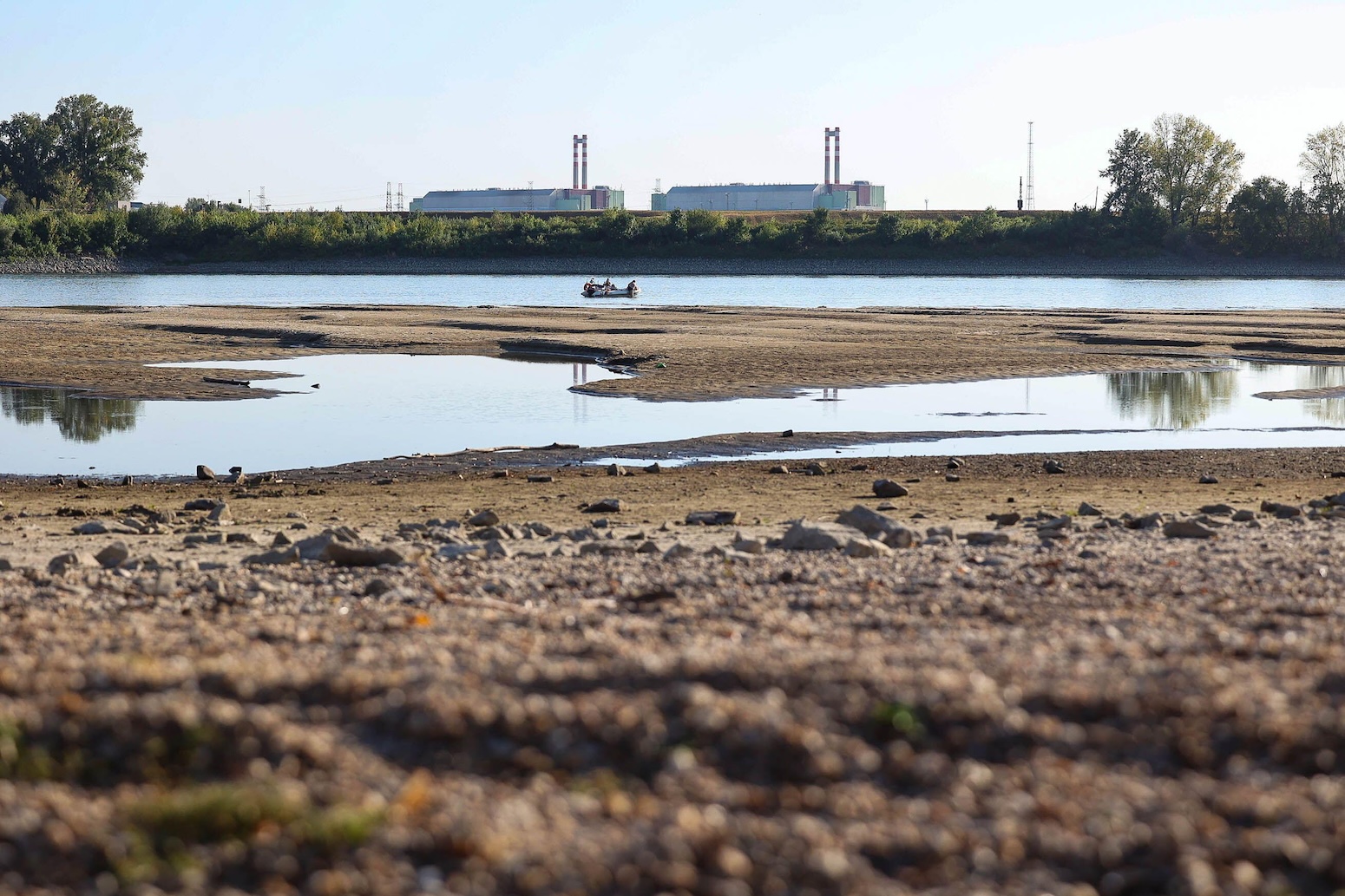
Heatwaves intensify power generation vulnerabilities across all major energy sources, according to an analysis examining how rising temperatures disrupt nuclear, gas, wind, and solar infrastructure during extreme weather.
Nuclear plants face thermal limits. Reactors require cooling water from rivers or coastal sources. When ambient temperatures spike, these water sources warm beyond safe discharge thresholds, forcing operators to reduce output or shut down units entirely. France's 2022 summer heatwave cut nuclear generation by roughly 50 percent as cooling water temperatures climbed.
Gas plants similarly degrade under heat stress. Turbine efficiency drops as ambient air temperatures rise. Higher cooling water temperatures also constrain output. Combined cycle plants operating at peak summer demand already run at reduced capacity.
Wind generation falters during heatwaves. Extreme heat often correlates with stagnant atmospheric conditions and reduced wind speeds. Turbine efficiency also declines at higher temperatures. Solar panels, counterintuitively, produce less electricity when hot. Panel efficiency drops roughly 0.4 to 0.8 percent per degree Celsius above 25 degrees Celsius, offsetting gains from increased sunlight.
The pattern creates a compounding crisis. Peak electricity demand surges during heatwaves as cooling loads increase, precisely when multiple generation sources underperform simultaneously. This mismatch between supply and demand strains grid stability and elevates blackout risks.
Climate modeling projects heatwave frequency and intensity will accelerate this century. Studies indicate nuclear and thermal plant outages will occur more often and last longer. Renewable sources face reduced output windows during peak demand periods.
Utilities and grid operators must adapt infrastructure now. Solutions include improving cooling efficiency at thermal plants, expanding geothermal and nuclear capacity designed for higher ambient temperatures, diversifying renewable portfolios across geographies with different heat-weather patterns, and building energy storage systems to buffer supply gaps