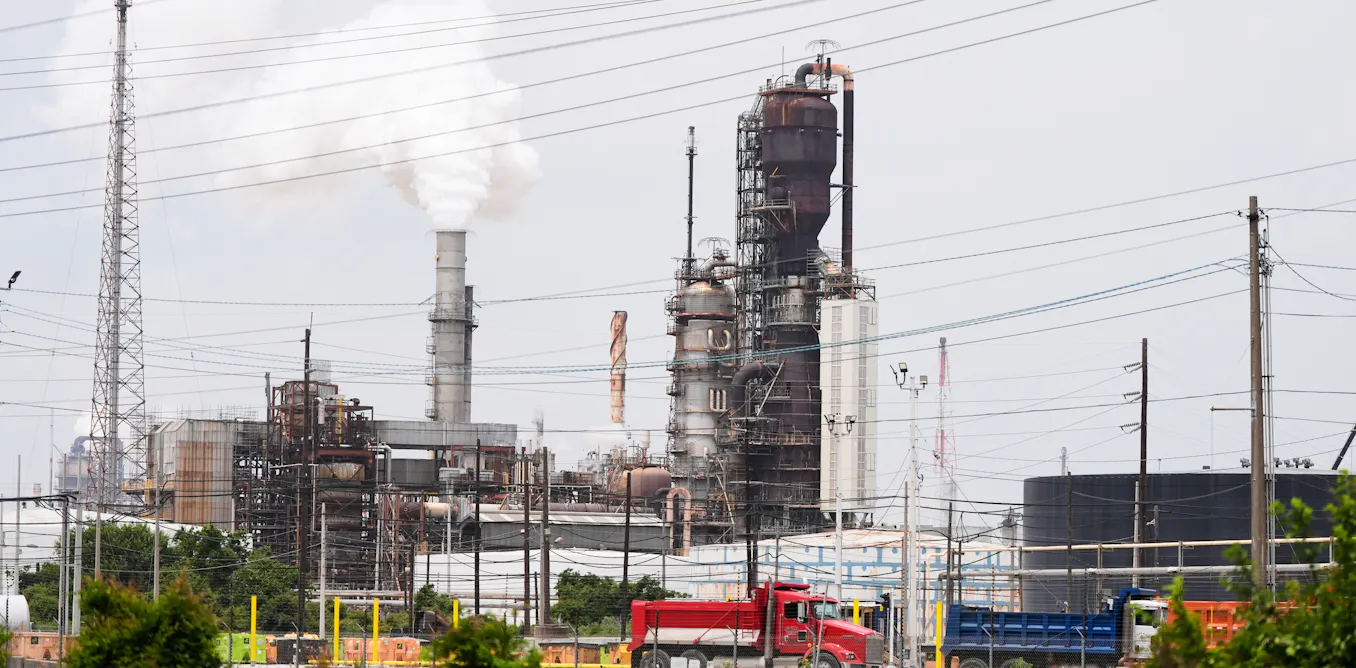
The Trump administration is restricting the legal mechanism that has enabled citizens and environmental groups to enforce federal environmental protection laws for nearly 50 years. Officials have targeted "citizen suit" provisions embedded in statutes like the Clean Air Act, Clean Water Act, and Endangered Species Act.
These provisions allow private parties to sue when the government fails to enforce environmental rules or when companies violate pollution standards. The suits have produced measurable results. Environmental groups have secured cleanup orders, forced compliance timelines, and collected penalties that fund restoration projects. Major cases have addressed acid rain compliance, wetland destruction, and toxic discharge violations.
The administration's approach centers on narrowing standing requirements, the legal doctrine determining who can file suit. Internal guidance has signaled that agencies should challenge whether plaintiffs have suffered concrete injury sufficient to warrant court intervention. This interpretation diverges from decades of judicial precedent allowing environmental groups to demonstrate harm through scientific evidence of pollution exposure or ecosystem damage.
The shift undermines the enforcement architecture built into environmental statutes. The Environmental Protection Agency, responsible for enforcement, operates under budget constraints and competing priorities. When citizen suits fill enforcement gaps, they activate a decentralized system where legal pressure supplements regulatory action.
Environmental law scholars note the provisions emerged from 1970s reforms reflecting recognition that government agencies alone cannot police all violations. The suits function as a check on both regulatory capture and resource scarcity.
Industry groups support the restrictions, arguing citizen suits create unpredictability and duplicative enforcement actions. Environmental advocates counter that weakening standing requirements creates enforcement vacuums where violations go unpunished.
The legal changes face immediate challenges in federal court. Multiple environmental organizations have filed motions to preserve their pending cases. The outcome will determine whether the citizen suit model, a foundation of American environmental law, persists or contracts significantly under this administration's interpretation of who possesses legal authority to defend public environmental interests.