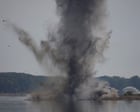
Romania's naval forces detonated explosives to blast rock from the Danube riverbed, creating channels to divert water toward the country's last operating nuclear reactor. Hungary faces similar pressure on its sole atomic plant. Both nations confront an energy crisis as the Danube hits record-low water levels, forcing nuclear facilities to reduce or halt operations that depend on river cooling.
Nuclear plants require enormous volumes of water for thermal cooling. When river levels drop below operational thresholds, reactors cannot safely dissipate heat and must shut down. The Danube's drought conditions have pushed both countries to take extraordinary measures. Romania's explosive intervention represents a direct infrastructure response to the water shortage. Hungary stated it might extract two additional days of power from its reactor before forced shutdown becomes unavoidable.
The closures carry cascading consequences for Central Europe's power grid. Nuclear plants typically supply baseload electricity. Their loss forces utilities to rely on fossil fuel generation or face rolling blackouts during peak demand. Gas supplies remain constrained due to supply chain disruptions and reduced Russian deliveries. Coal plants operate at higher carbon intensity but provide the only immediate alternative in many regions.
This situation reflects broader climate vulnerability in Europe's energy transition. Hydroelectric dams also suffer from drought conditions, compounding shortages. Wind and solar generation fluctuate with weather patterns. The infrastructure supporting Europe's power system assumed more stable water availability than current conditions deliver.
The Danube extends 1,771 miles through ten countries, making it a shared resource with complex management. Upstream diversions for agriculture and industry further stress remaining flows. Climate models project continued summer heat and reduced precipitation across Central Europe, extending drought conditions into autumn months.
Romania and Hungary must balance immediate energy needs against nuclear safety protocols. Both nations previously operated multiple reactors along the Danube. Current conditions demonstrate that even zero-carbon energy sources depend on environmental conditions that climate change disru