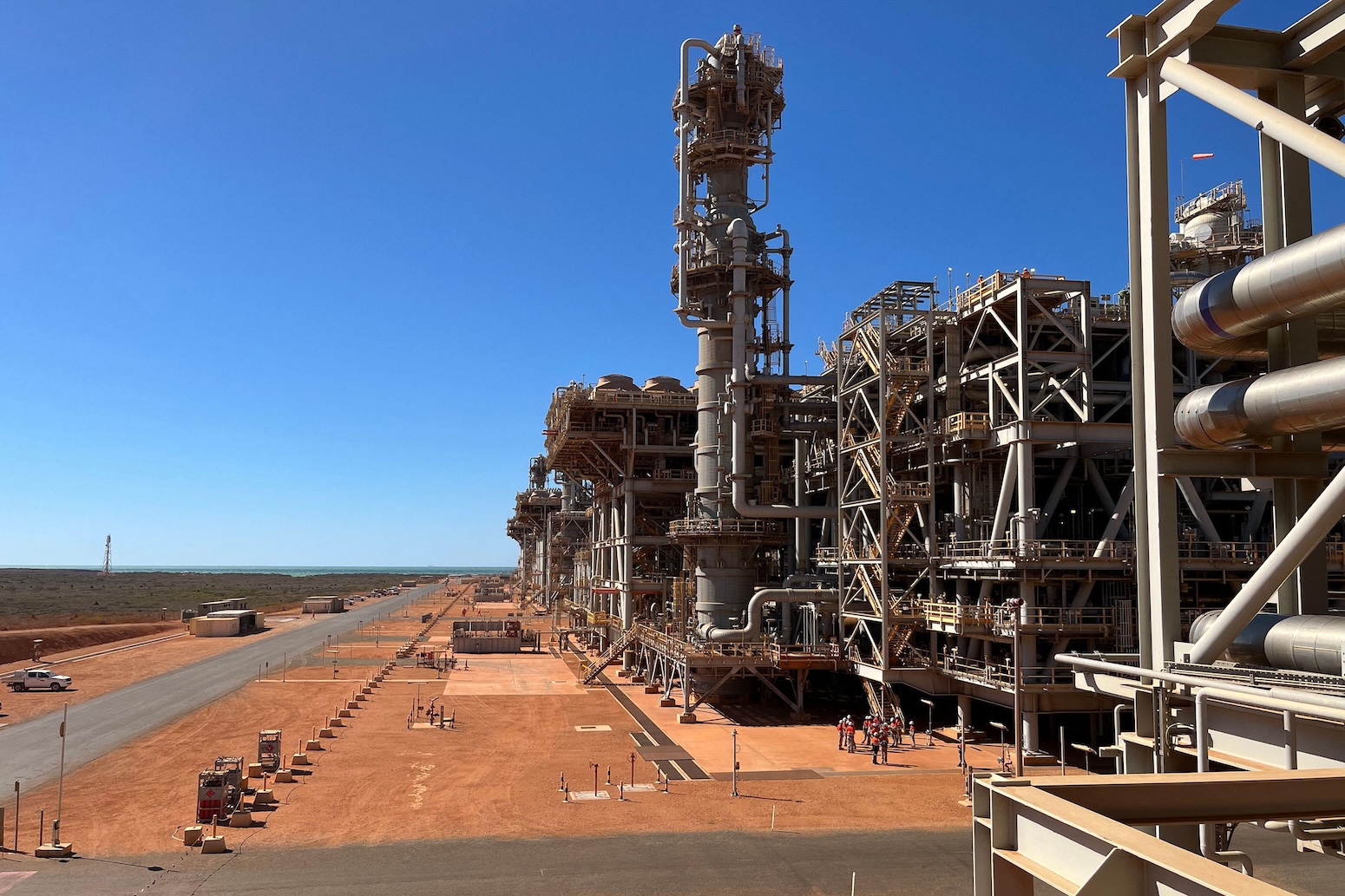
Carbon capture and storage (CCS) technology extracts CO2 directly from industrial emissions or ambient air, then sequesters it underground or utilizes it in products. The question of whether CCS remains essential to achieving net-zero emissions targets hinges on competing assessments from climate scientists and energy analysts.
The Intergovernmental Panel on Climate Change (IPCC) models reaching 1.5 degrees Celsius warming scenarios that rely on deployment of CCS paired with bioenergy, known as BECCS. These pathways assume CCS removes between 5 and 15 gigatons of CO2 annually by 2050, representing roughly 10-20 percent of current global emissions. Without CCS in these models, the remaining emissions reductions must come entirely from electrification, renewable energy scaling, and energy efficiency gains.
Current CCS capacity falls dramatically short. Global operational facilities captured roughly 45 million metric tons of CO2 in 2023, according to the International Energy Agency. This represents less than 0.1 percent of annual global CO2 emissions of approximately 37 gigatons. The IEA projects CCS capacity must reach 5.6 gigatons annually by 2050 to align with net-zero pathways, requiring a 124-fold expansion.
Debate centers on whether this acceleration remains feasible. Proponents argue CCS handles hard-to-decarbonize sectors including cement production, steel manufacturing, and aviation fuel synthesis, where electrification offers limited alternatives. Permanent geological storage in saline formations and depleted oil and gas reservoirs can sequester CO2 for millennia.
Critics contend that prioritizing CCS diverts investment from proven emission reduction strategies. They emphasize that renewable electricity, energy conservation, and industrial process electrification offer faster deployment timelines and lower costs per