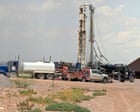
Construction crews building the Trump border wall in New Mexico received orders to halt new well drilling after ranchers and residents warned that groundwater extraction threatens local water supplies during an acute drought.
The stoppage targets wells drilled to supply water for concrete production. Contractors had been tapping border aquifers in the region, raising alarms among livestock operators already stressed by water scarcity. The order reflects growing conflict between federal border construction and rural water security in the Southwest.
The wall project spans four states and received over $46 billion in federal funding. Construction crews face pressure to complete the barrier quickly. Controversies have already surfaced in Texas and California, with border residents and environmental groups documenting multiple impacts from the construction work.
New Mexico's drought conditions have intensified scrutiny of water use. Aquifer depletion threatens both agricultural operations and community water systems across the region. Local officials and ranchers argued that industrial-scale water extraction for wall construction exacerbates an existing crisis.
The well-drilling prohibition represents a rare constraint on border wall construction momentum. Federal agencies had authorized the water extraction for concrete mixing without apparent consideration of regional drought conditions or impacts on existing water users. The reversal signals growing local resistance to construction practices that ignore environmental and agricultural strain.
Border wall construction has triggered broader environmental concerns beyond water use. Construction has damaged sensitive habitat, fragmented wildlife migration corridors, and altered erosion patterns in ecologically important areas. Indigenous communities have also raised objections to wall construction on tribal lands and sacred sites.
The New Mexico order comes as the Trump administration prioritizes rapid wall completion. Construction deadlines and federal funding mechanisms have sometimes overridden local concerns about environmental and resource impacts. The well-drilling halt suggests that local pressure and drought severity can constrain even high-priority federal projects.
Water availability remains critical in the Southwest as climate change intensifies regional aridity. The New Mexico dispute reflects broader tensions