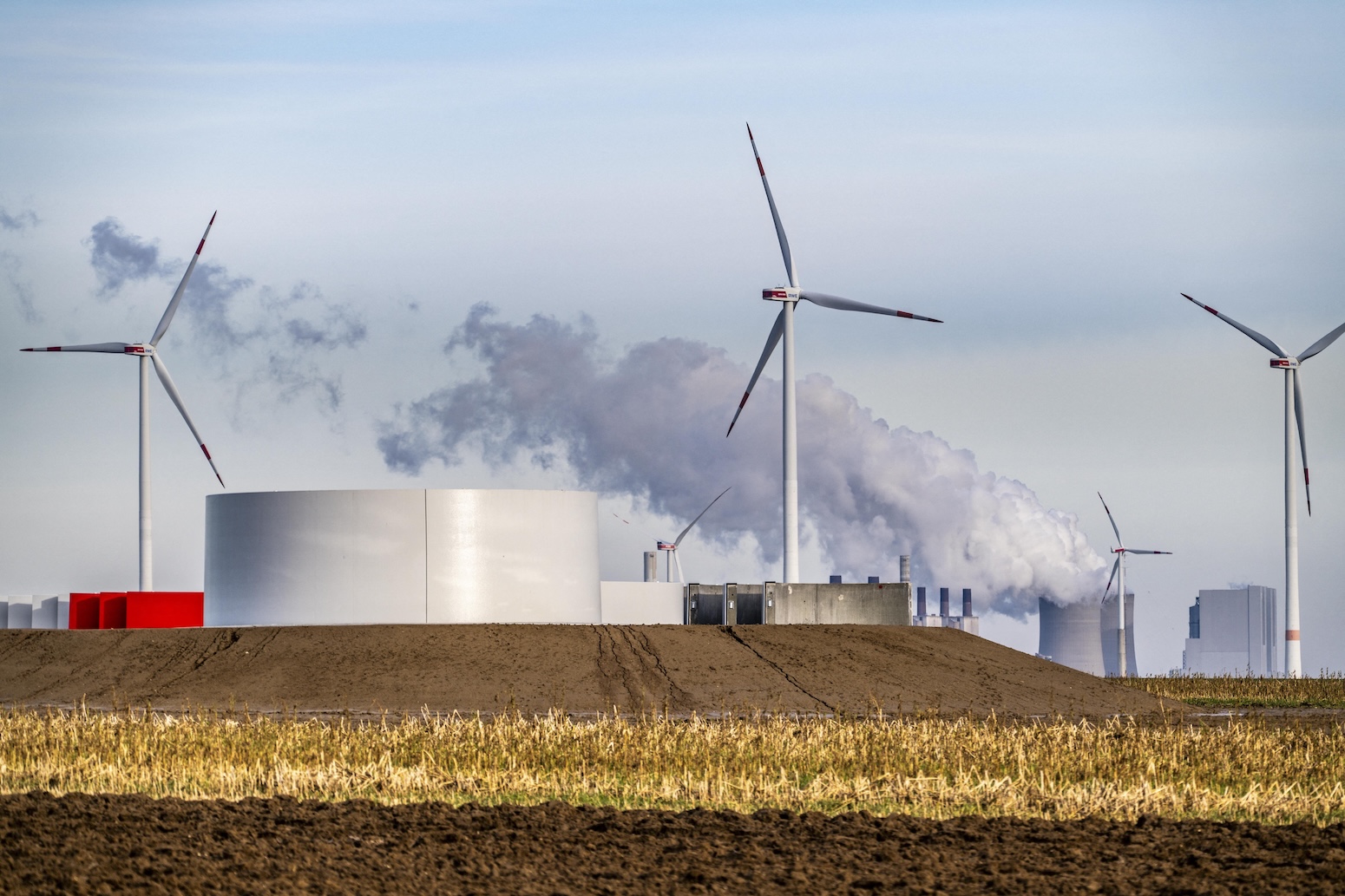
Germany's electricity grid generated more power from wind and solar installations than from fossil fuels in 2025, marking a historic threshold for Europe's largest economy. This milestone reflects a decade of accelerated renewable energy deployment and policy shifts that prioritized clean power expansion.
Wind and solar combined now supply more than half of Germany's electricity generation, displacing coal, natural gas, and oil from their traditional dominance. The shift stems from aggressive buildout targets set under Germany's Renewable Energy Sources Act and the broader push to eliminate coal by 2038. Onshore and offshore wind farms, along with rooftop and utility-scale solar installations, have grown substantially across the country.
Germany's transition carries geopolitical weight. As Europe's industrial hub, the country's energy shift influences continental decarbonization targets and energy independence strategies, particularly following Russian natural gas supply disruptions. The German government had aimed to achieve 80 percent renewable electricity by 2030, a goal now appearing achievable.
Coal still remains in the fuel mix, particularly for grid stability and during low renewable generation periods. Germany operates backup natural gas plants and maintains nuclear capacity constraints following its 2022 phaseout decision. Seasonal and weather-dependent variability in wind and solar output necessitates continued grid balancing measures, including interconnections with neighboring countries and battery storage development.
The 2025 renewable milestone follows years of investment and policy adaptation. Feed-in tariffs and auction systems encouraged private renewable development. Grid modernization projects expanded capacity for distributed generation. Manufacturing constraints and supply chain disruptions from 2021-2023 created temporary headwinds, but recent acceleration in turbine installations and panel deployment pushed the crossover point forward.
Analysts project renewables will constitute the dominant electricity source throughout the 2020s, though achieving full decarbonization requires addressing transportation electrification, heating systems, and industrial processes powered by