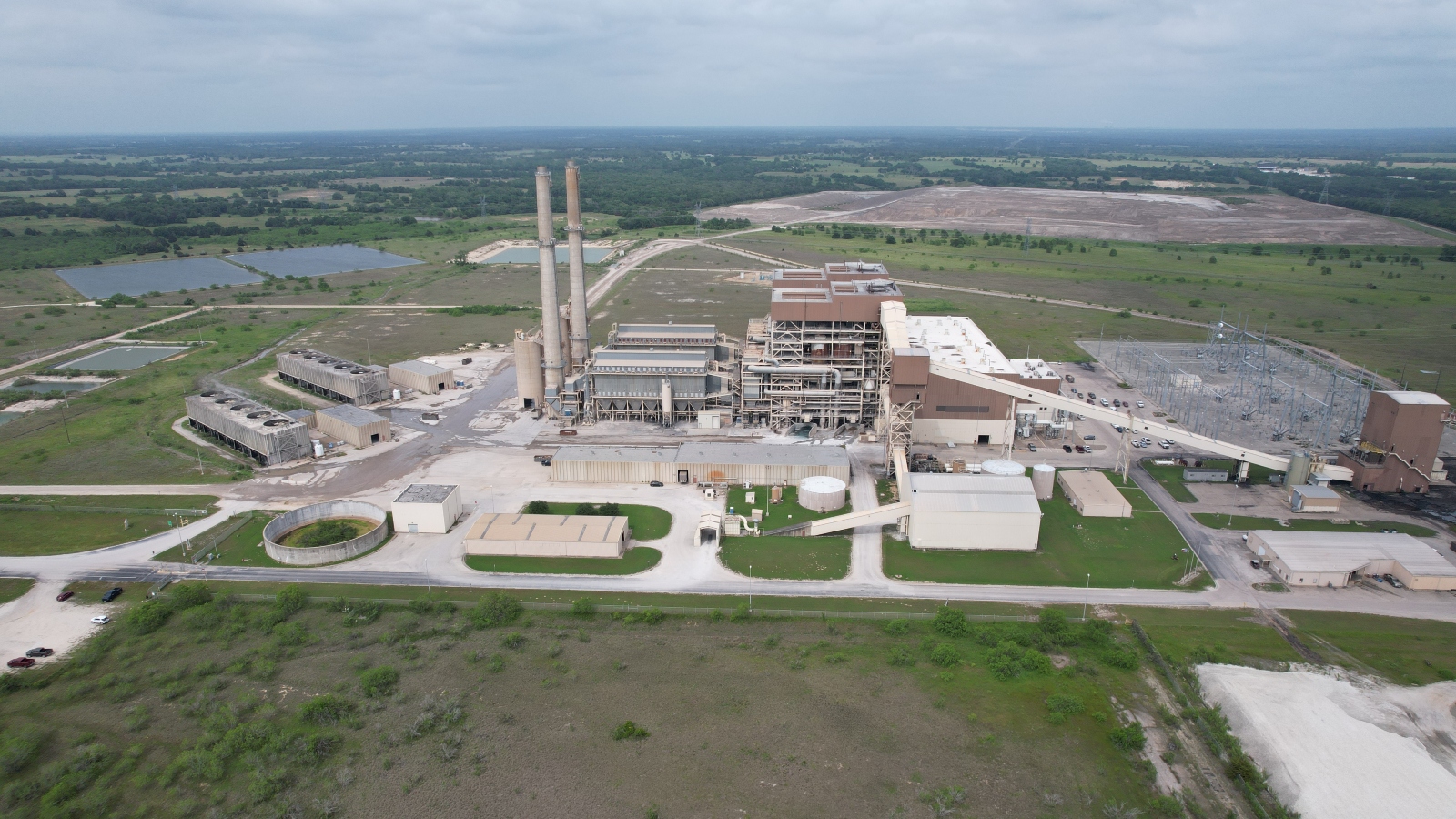
Panamint Capital has broken ground on a 1.2-gigawatt solar and battery storage project at the Calvert coal mine in Texas, representing a $1.7 billion investment. The facility will occupy mined land adjacent to an active coal operation and coal-fired power plant that will remain operational.
The project combines utility-scale solar generation with energy storage capacity, enabling the facility to supply power during peak demand periods and cloudy weather. Battery storage paired with solar addresses a persistent grid reliability concern that has historically slowed renewable deployment in coal-dependent regions.
The choice to site the facility on reclaimed coal mine land sidesteps land-use conflicts that often delay solar development. Disturbed mine sites offer existing infrastructure, cleared terrain, and established grid connections. This model has precedent elsewhere in Texas and nationally, though most coal mine conversions remain limited in scope.
However, the simultaneous operation of the solar farm, existing coal mine, and coal plant reveals the transitional complexity of U.S. energy infrastructure. The coal facility will continue burning fuel for electricity generation even as Panamint Capital develops renewable capacity on its doorstep. This arrangement reflects market realities: coal plants retain operational value where long-term contracts and grid demand persist, while new solar projects move forward where economics and policy support them.
Texas leads U.S. solar capacity installation, adding over 9 gigawatts of new solar in 2023. The Calvert project adds to that total but does not displace existing coal operations. The state's grid operator, ERCOT, manages both coal and renewable resources, and both technologies continue receiving capacity payments under current market structures.
The project timeline and operational status of the coal mine and plant remain unspecified. Local and regional air quality impacts from continued coal combustion will depend on plant emission standards and state pollution regulations.
This development illustrates the