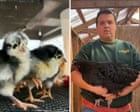
Joshua Beebe, owner of Tardif Poultry Farm in eastern Connecticut, now scrubs the tires of every vehicle entering his property. He sprays them down, brushes them thoroughly, then repeats the cycle. This level of biosecurity precaution reflects the brutal economics of bird flu in American agriculture.
A single positive case at his farm could end his operation. Beebe has already experienced this threat firsthand. He culled his entire flock after bird flu detection threatened his business, a decision that left him describing the aftermath with stark language. "The silence was the worst part," he said, capturing the devastation of a farm stripped of its animals and income.
The highly pathogenic avian influenza virus has forced small-scale poultry producers across the United States to operate under conditions of constant vigilance and financial fragility. Unlike large industrial operations that can absorb regulatory fines and forced culling, independent farmers like Beebe face elimination from a single outbreak.
The U.S. Department of Agriculture enforces strict depopulation protocols when bird flu is confirmed. Infected flocks must be destroyed entirely. Quarantine zones prevent movement of birds and equipment. Recovery timelines stretch months. Biosecurity measures consume labor and resources that margininal operations can barely afford.
Beebe's tire-cleaning routine exemplifies how bird flu has transformed daily farm operations. Every potential vector for viral transmission becomes a liability. Equipment, vehicles, personnel, feed deliveries, and wild bird exposure all require constant monitoring and prevention protocols.
The economic pressure creates a paradox. Small farms implementing aggressive biosecurity measures still lack the financial cushion of larger producers. Insurance coverage remains limited. Government compensation programs for culled birds often lag behind actual losses. Many operators report anxiety about a disease they cannot fully control or predict.
Bird flu continues circulating in wild bird populations and has increasingly appeared in commercial po