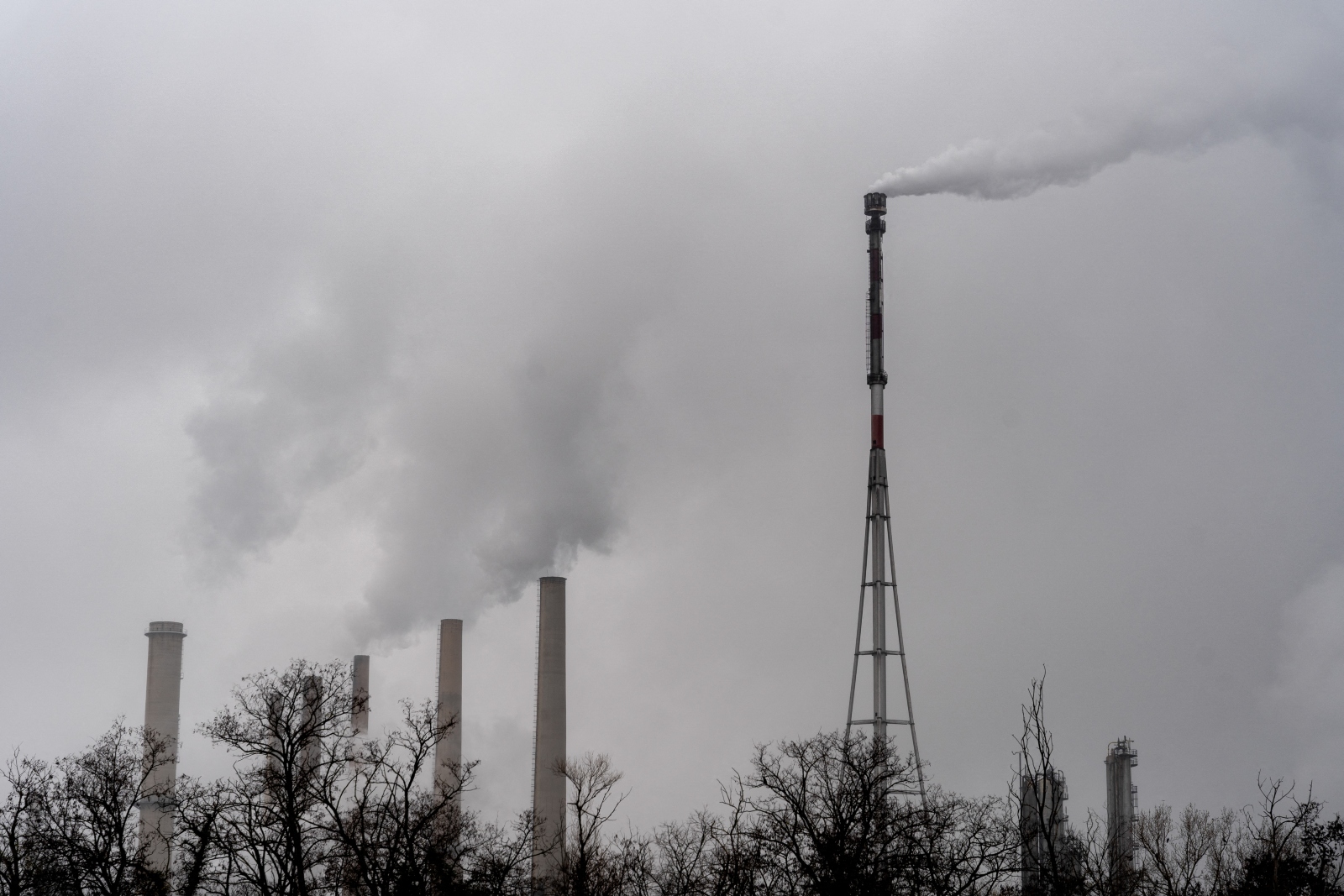
The European Union faces pressure to weaken its Emissions Trading System (ETS), the world's largest carbon market and a cornerstone of its climate commitments. European lawmakers have proposed rolling back the cap-and-trade program, which has functioned since 2005 as the primary mechanism for reducing industrial emissions across the bloc.
The ETS sets declining caps on total emissions from power plants, factories, and other heavy industries. Companies that exceed their allowances must purchase credits from those that reduce emissions below their limits. This approach has driven significant decarbonization in covered sectors, reducing emissions from participating industries by roughly 35 percent since the program's inception.
The proposed weakening comes as the EU navigates competing pressures. Industrial sectors argue that strict carbon pricing makes European manufacturers less competitive against foreign competitors operating under looser climate rules. Simultaneously, energy costs have surged, heightening political sensitivity around climate policies that raise expenses for households and businesses.
Specifically, lawmakers are considering modifications to the cap trajectory, potentially slowing the pace of emissions reductions required each year. They are also debating expanded use of carbon offsets and international credits, which could allow companies to meet obligations through projects outside the EU rather than cutting their own emissions.
Environmental groups and climate scientists warn that diluting the ETS undermines the EU's legally binding climate targets, including its commitment to achieve climate neutrality by 2050 and cut emissions 55 percent by 2030 compared to 1990 levels. The ETS currently accounts for roughly 40 percent of the bloc's emissions reductions.
The debate reflects a broader tension in EU climate policy. The bloc has positioned itself as a global climate leader, yet faces domestic political resistance to policies that raise transition costs for industry and consumers. The outcome of these negotiations will determine whether the ETS remains a model for other jurisdictions developing carbon markets, or signals that even Europe's