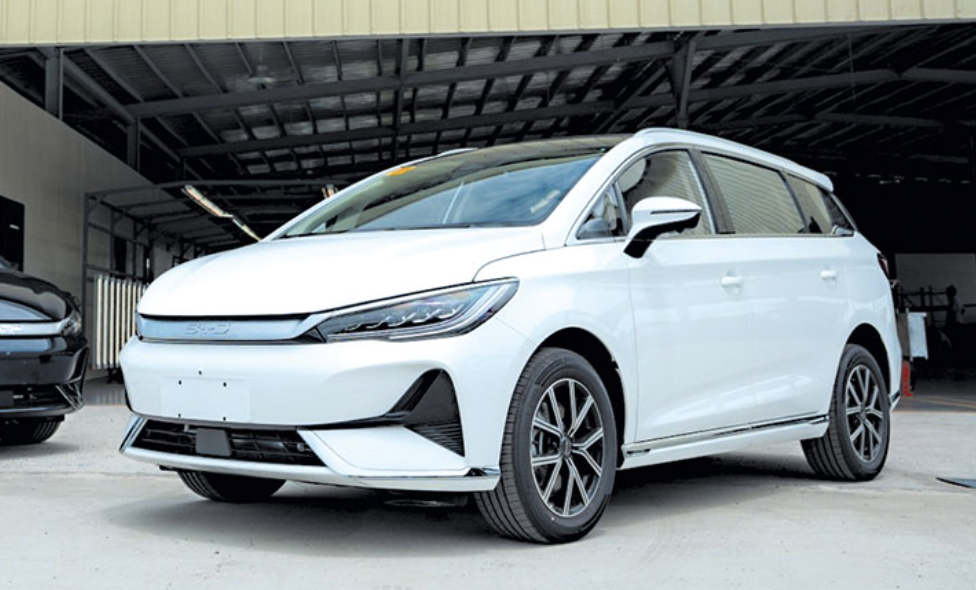
BYD's eMAX7 electric vehicle demonstrates that mass-market EV adoption targets practical family needs, not just performance enthusiasts. The Chinese automaker's seven-seat minivan prioritizes utility and quiet operation over flashy styling, offering a direct challenge to traditional internal combustion minivans in markets where EVs remain nascent.
The eMAX7's conservative exterior design masks significant engineering. As a battery-electric minivan, the vehicle addresses a vehicle class that gasoline dominates globally. Electric minivans remain rare in most markets, making BYD's entry a strategic move toward penetrating the family vehicle segment where daily mileage needs, reliability demands, and cargo requirements shape purchasing decisions.
The "quiet shock" referenced in the test drive captures a genuine phenomenon. EVs eliminate engine noise and vibration that consumers have accepted as standard for over a century. Drivers accustomed to combustion minivans experience disorientation when that acoustic baseline vanishes. The eMAX7 delivers this silence across all driving conditions, a feature that affects perception of quality and modernity more than horsepower figures.
BYD's positioning reflects market reality. The automaker commands the global EV battery market with over 30 percent share as of 2024 and has become the world's largest EV manufacturer by volume. The eMAX7 extends BYD's reach beyond urban commuters and fleet operators into suburban family transportation, where vehicle decisions depend on practicality rather than technological prestige.
The minivan segment represents roughly 20 percent of the global automotive market in key regions. By electrifying this category, BYD targets replacement cycles for millions of existing vehicles. Each conversion from gasoline to electric in this segment eliminates annual emissions equivalent to a passenger car's driving footprint.
Distribution remains the constraint. BYD operates in 70 countries