The European Commission has proposed slowing the pace of emissions cuts under the EU Emissions Trading System (ETS), the bloc's primary carbon market mechanism. The revision would extend the timeline for deeper reductions, pushing major emission cuts further into the 2030s.
The ETS functions as Europe's cap-and-trade system, covering roughly 40 percent of EU greenhouse gas emissions from power generation, manufacturing, and aviation. Under previous targets, the market aimed for an annual emissions reduction rate of 2.2 percent. The Commission's new proposal reduces this trajectory, shifting the burden of compliance onto later years.
This revision comes as the EU navigates competing pressures. Industry groups have warned that steep carbon prices and rapid phase-out timelines threaten economic competitiveness, particularly against American and Chinese competitors. Environmental advocates counter that slower cuts undermine the EU's climate commitments under the Paris Agreement and its own 2050 climate neutrality target.
The timing matters substantially. Europe committed to cutting net greenhouse gas emissions by at least 55 percent by 2030, compared to 1990 levels. The carbon market overhaul directly affects whether the EU meets this goal. Slower annual reductions in the ETS would require compensatory cuts elsewhere, potentially through tighter standards on buildings, transport, or agriculture.
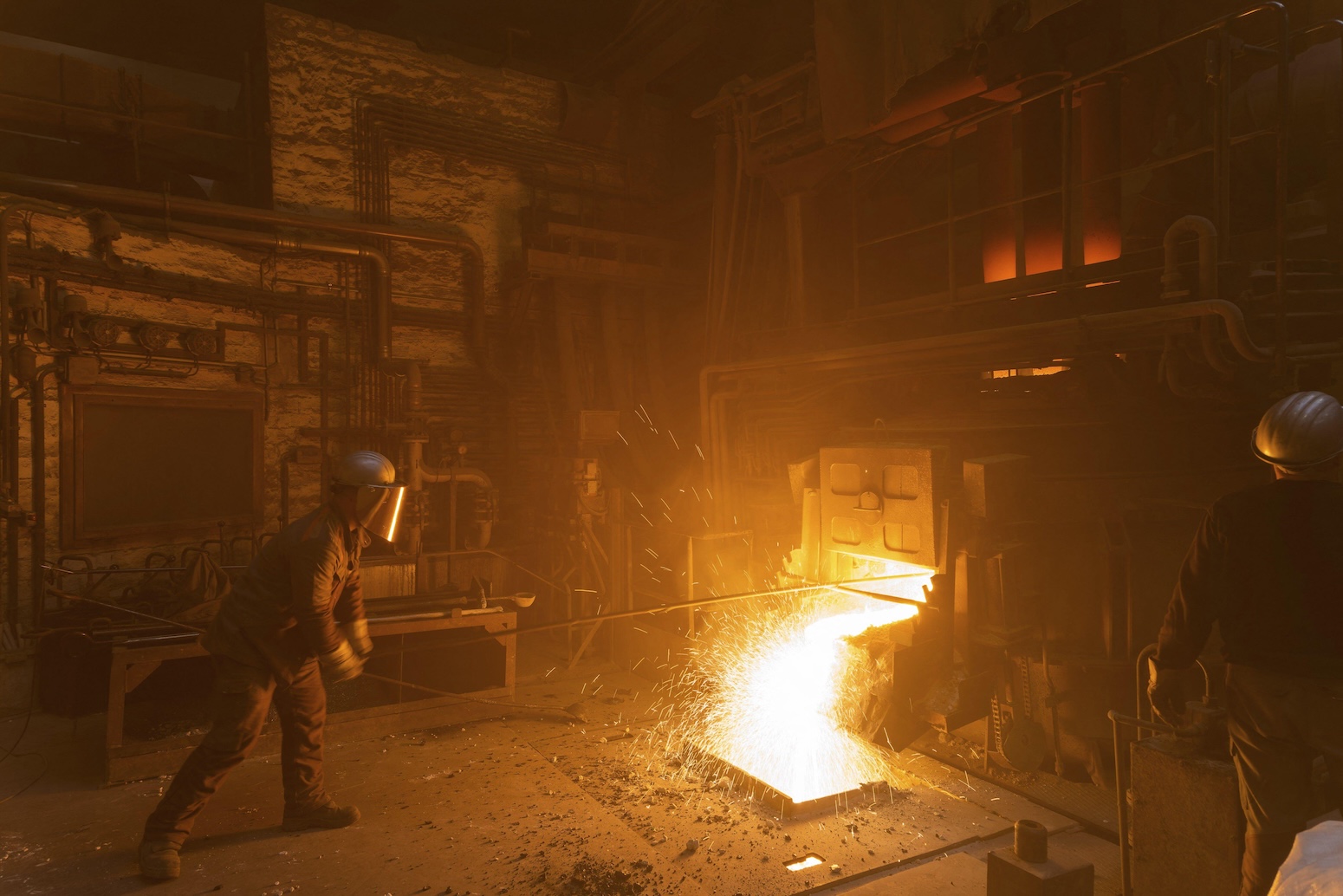
The Commission's rationale centers on allowing businesses more transition time, particularly energy-intensive sectors like steel and chemicals that face higher carbon costs. Companies argue rapid carbon prices create incentives to relocate production outside Europe, offshoring emissions rather than reducing them globally.
Carbon Brief's analysis breaks down how the revised schedule alters market dynamics. Higher carbon allowance prices, currently fluctuating around EUR 70-90 per ton, could stabilize under slower reduction rates. This affects investment decisions across the continent, from power plant construction to industrial retrofitting.
The proposal now enters negotiations among