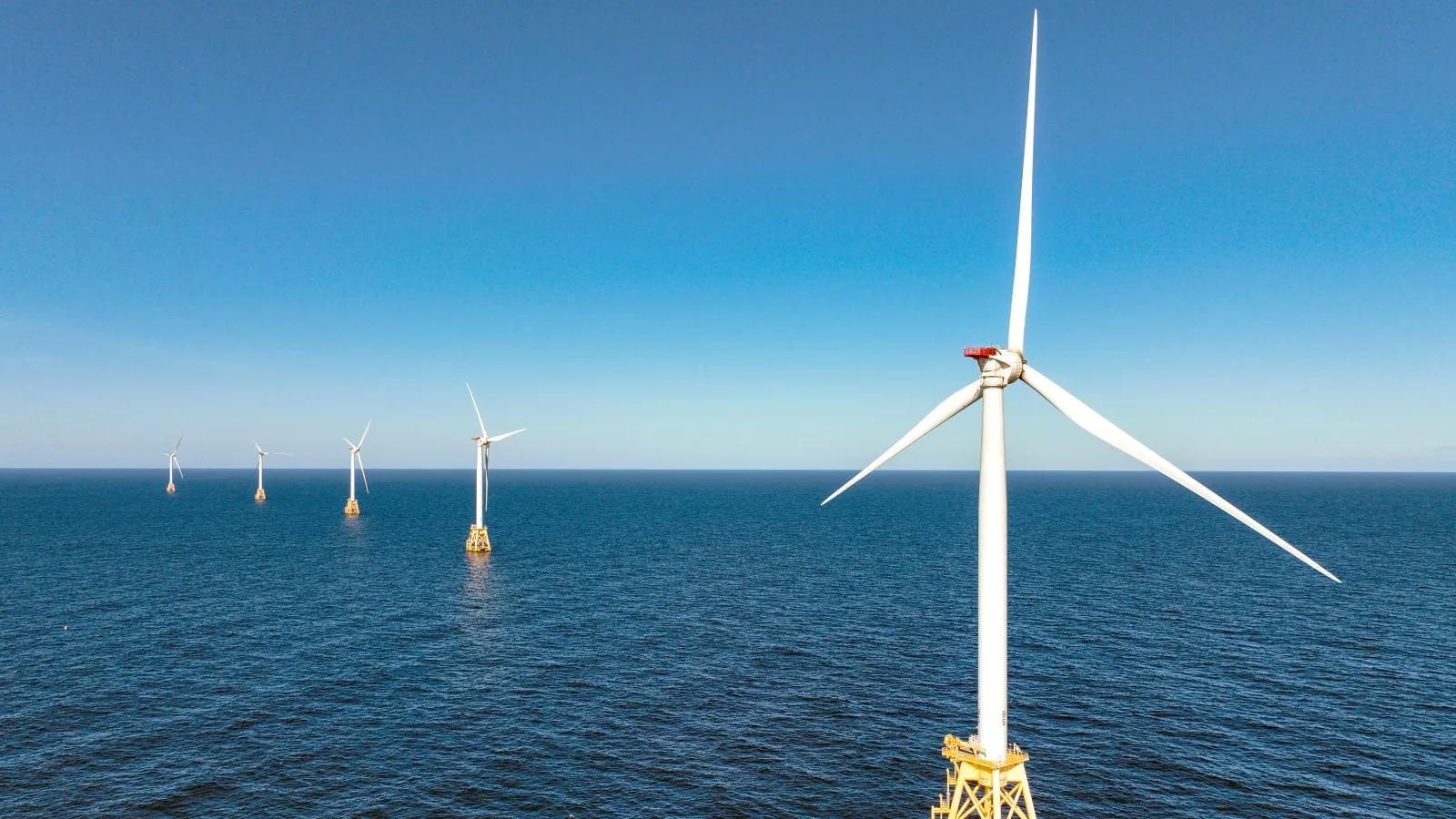
New England's offshore wind capacity prevented the region from relying on fossil fuel peaker plants during recent extreme heat events. The region installed dozens of wind turbines off the East Coast since summer 2023, expanding its clean energy portfolio at a critical moment.
During peak demand periods when temperatures soared, offshore wind farms generated substantial electricity, reducing dependence on oil-fired power plants that operators typically activate only during emergencies. These plants emit significant greenhouse gases and operate at low efficiency. Regional grid operators integrated the new offshore capacity with existing renewable sources, including solar and hydroelectric generation, to meet surging demand without triggering costly, polluting contingency systems.
New England's Independent System Operator reported that clean energy sources, anchored by the expanded offshore wind fleet, maintained stable grid operations throughout the heat waves. The region avoided blackout risks that plagued other areas while preventing the activation of standby oil generators that consume expensive fuel and release carbon emissions.
The timing reflects a broader energy transition underway in the Northeast. Massachusetts and other New England states have pursued aggressive offshore wind development to meet decarbonization targets and improve grid resilience. Each new turbine adds capacity that reduces strain during extreme weather events, which climate scientists predict will intensify across the region.
Offshore wind's performance during heat waves demonstrates its value beyond annual generation statistics. Variable renewable sources work best when integrated into diverse portfolios. Battery storage systems and demand management programs complemented the wind generation, creating a more flexible grid that adapts to both weather fluctuations and consumption spikes.
The expansion reflects investments made through state renewable procurement mandates and federal tax credits under the Inflation Reduction Act. These policies accelerated project timelines and reduced installation costs. New England's experience provides a template for other coastal regions seeking grid decarbonization while managing climate-driven demand volatility.