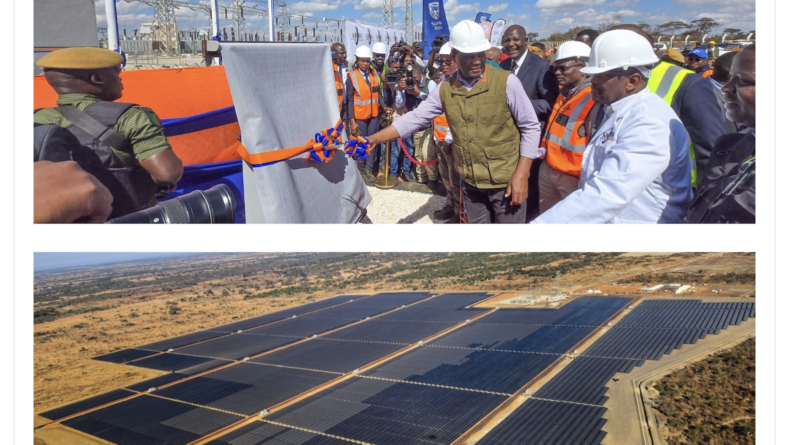
Zambia is expanding its electricity generation capacity with a deliberate shift toward renewable energy, moving beyond its traditional reliance on hydropower. The government has committed to diversifying its grid through solar deployment, a strategic pivot that addresses both energy demand and climate vulnerability.
Zambia's electricity system has historically depended on hydroelectric power, which generates roughly 99 percent of the country's electricity. This concentration creates acute exposure to drought cycles amplified by climate change. Prolonged dry seasons have triggered rolling blackouts that disrupt mining operations, hospitals, schools, and households across the country.
Solar energy now plays a central role in the government's capacity expansion plan. Installing photovoltaic systems reduces dependence on rainfall-dependent hydro generation and builds grid resilience. Solar projects distributed across the country also lower transmission losses and expand access to underserved rural areas.
The timing reflects Zambia's position at the intersection of two urgent pressures. The country faces severe electricity shortages during dry seasons, forcing rationing that hampers economic growth. Simultaneously, Zambia must adapt to intensifying climate disruptions while remaining committed to low-carbon development. Solar capacity addresses both challenges simultaneously.
Zambia's renewable energy strategy aligns with broader African climate adaptation priorities. The continent experiences disproportionate climate impacts despite contributing minimally to global emissions. Countries like Zambia are demonstrating that transitioning to renewables need not wait for wealthy nations to act first.
The government's follow-through on renewable energy promises carries symbolic weight in a region where infrastructure commitments often lag implementation. Delivering on solar expansion commitments shows Zambia prioritizes energy security and climate resilience as governing priorities.
This shift from hydro-dependent infrastructure to a diversified renewable grid positions Zambia to maintain reliable power supply despite increasingly erratic rainfall patterns. Solar deployment also positions the country to tap into growing regional investment in clean energy