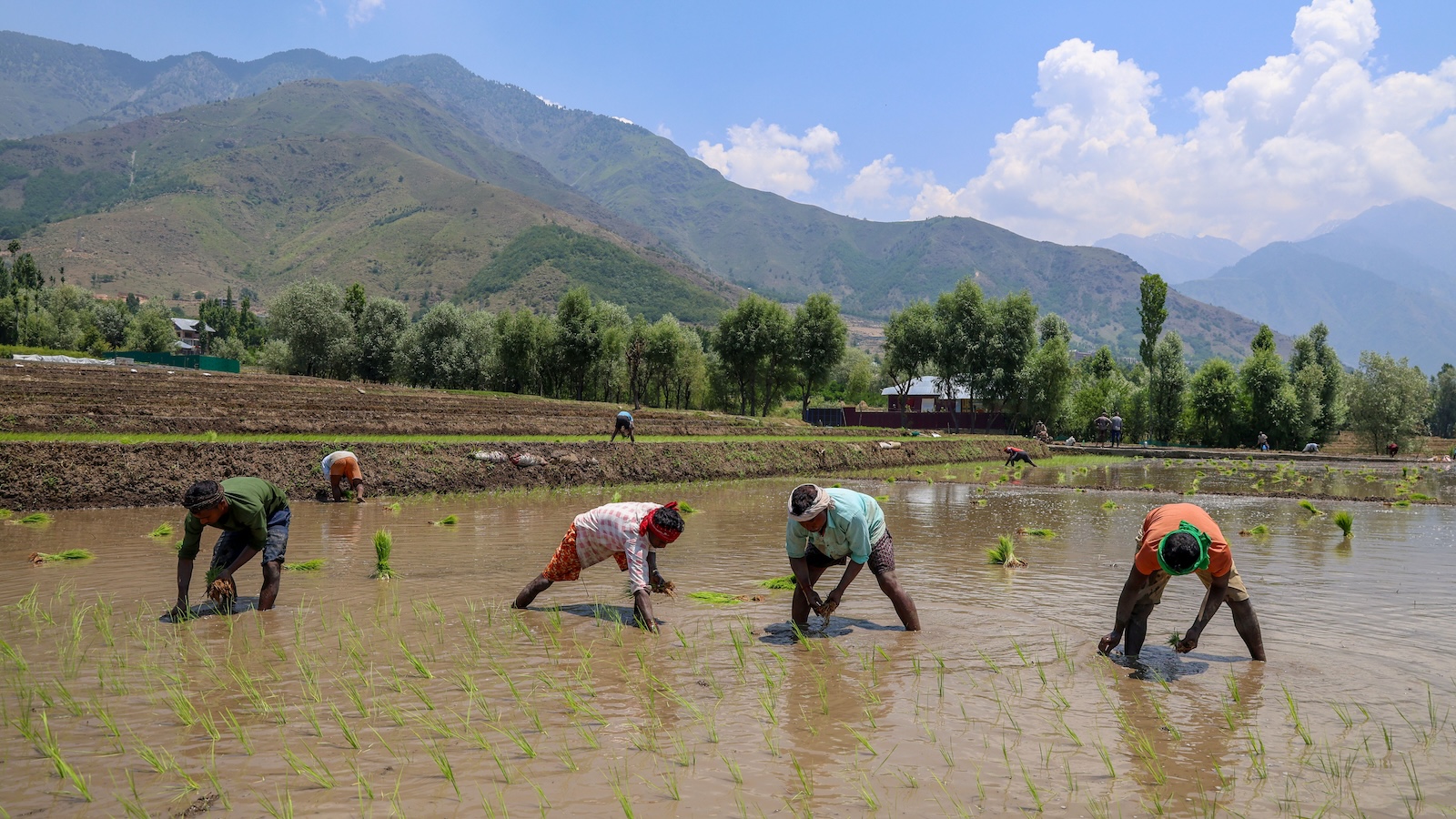
El Niño conditions combined with ongoing global warming are creating stark disparities in rice production across regions, according to climate scientists studying the confluence of these two forces.
The 2023-2024 El Niño episode amplified existing climate patterns, pushing some rice-growing regions into severe drought while flooding others with excess precipitation. India, Thailand, and Vietnam face reduced yields from water stress. Southeast Asian nations confront the opposite problem: waterlogged fields and crop damage from torrential rains. These competing crises mirror what researchers call "the haves and the have-nots" dynamic, where geographic proximity determines agricultural winners and losers.
Global warming exacerbates this unevenness. Rising baseline temperatures alter monsoon patterns that rice cultivation depends upon. Warmer oceans intensify El Niño's effects, creating more extreme weather swings than historical patterns suggest. Rice requires precise water management. Too little water during critical growth stages cuts yields by 30 to 50 percent. Excessive flooding similarly devastates crops through root rot and fungal disease.
The timing matters. El Niño typically peaks between December and February, overlapping with planting season in major producing regions. When warm ocean waters suppress rainfall in the Indian Ocean and western Pacific, drought stress hits just as seedlings establish roots. Conversely, El Niño's enhanced convection over the central Pacific can redirect moisture patterns northward, drenching parts of Southeast Asia.
Rice feeds more than half the world's population. Production swings of even 10 percent trigger global price volatility and food security concerns. Current conditions suggest 2024 harvests will show this split plainly. Bangladesh and Cambodia report concerning dry conditions. Philippine forecasters warn of flooding risks. Indian farmers already face depleted water reserves from prior drought years.
Researchers note that climate change is tightening the band of climatic outcomes