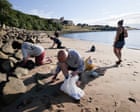
A cargo ship collision on July 19 off north-east England spilled thousands of plastic pellets, known as nurdles, into the North Sea. These resin pellets, roughly lentil-sized, now wash ashore across beaches from Cambois in Northumberland to Seaburn on Wearside.
Up to 2,000 volunteers have mobilized to remove the plastic manually. Armed with dustpans, brushes, buckets, and kitchen sieves, they sift sand grain by grain to extract the pellets. Alice Laverty, documenting the cleanup effort, noted the community's fierce commitment to protecting the coastline. "There's no nurdle fairy," she observed, underscoring that removing these particles demands human labor and persistence.
Nurdles serve as raw material for plastic manufacturing. When lost at sea, they persist for decades and absorb toxic compounds like PCBs and DDT from ocean water. Marine life ingests them, mistaking them for food. The pellets enter food webs, potentially reaching human consumers through seafood.
The spill represents one of Britain's largest recorded nurdle losses. Environmental groups have long warned that maritime transport of plastic pellets carries catastrophic spill risks. Nurdles routinely leak from container ships during storms or collisions. A 2020 study estimated that up to 100,000 tons of nurdles escape into oceans annually from cargo vessels worldwide.
The volunteer effort reflects broader concerns about industrial plastic production and inadequate shipping regulations. The UK has no mandatory reporting system for nurdle spills, leaving the scale of the problem largely unmeasured. Environmental organizations including Fidra and the Marine Conservation Society have called for stricter containment requirements and tracking protocols for plastic pellet shipments.
The cleanup operation will continue for weeks, though experts acknowledge that removing every pellet remains impossible. Storm action