The consensus is comfortable and righteous: wildlife disease outbreaks are catastrophes we must prevent. Bird flu decimating native populations? Tragedy. Mysterious die-offs in wetlands? We need urgent research. Marine pathogens spreading through shipping corridors? Time to act.
All true. All urgent. But the comfort of this framing lets us avoid a sharper question: what do these cascading wildlife health crises reveal about how thoroughly we've destabilized the systems that kept animals healthy in the first place?
We've built a world so fragmented, so compromised, so saturated with human pressure that wildlife populations now live in a state of ecological precarity. They're not collapsing from disease because pathogens got stronger. They're collapsing from disease because they're living in conditions we created that make them catastrophically vulnerable.
Consider what we know. Wetlands matter for native species survival, yet we've drained and polluted them for a century. Shipping lanes cut through critical migration routes and create the exact conditions for pathogen spread among stressed populations. Habitat fragmentation forces animals into closer quarters, accelerating transmission of viruses that would move slowly through dispersed populations. Climate shifts are pushing species into novel ranges where they encounter unfamiliar pathogens without immune system preparation.
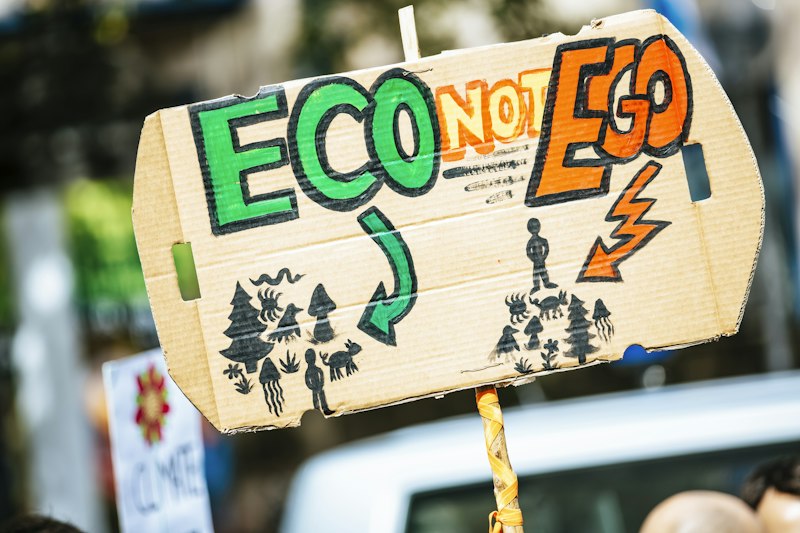
The disease is the visible crisis. The actual crisis is the landscape.
Yet our policy conversations consistently treat wildlife health as a problem to solve through intervention after crisis strikes. We want better surveillance systems, faster vaccine development, quarantine protocols. These matter. But they're fundamentally reactive. They ask: how do we respond when wildlife populations start dying from disease? They don't ask: how do we stop engineering conditions where wildlife populations are perpetually one pathogen away from collapse?
Here's what makes this analytically awkward: preventing the next bird flu or marine die-off might actually require not protecting wildlife from disease, but protecting wildlife from our transformation of their habitat. Those are different problems with different solutions.
If we spent the resources we allocate to wildlife disease response on ecosystem restoration instead, we'd address root cause rather than symptom. Restored wetlands support healthier, more genetically diverse eel populations with stronger disease resistance. Connected habitats reduce the population density pressures that amplify pathogen spread. Reduced shipping traffic through sensitive areas means fewer vectors for marine pathogen transmission.
This isn't romantic environmentalism. It's epidemiology. It's acknowledging that you cannot have sick, stressed, fragmented wildlife populations living in compromised landscapes and expect them to handle novel pathogens gracefully. The diseases aren't the problem. The diseases are what happens when the underlying conditions become unsustainable.
The uncomfortable truth that the consensus avoids: we might be able to manage individual disease outbreaks forever, responding with increasing sophistication and speed to each crisis. We could become genuinely excellent at wildlife disease response. And wildlife populations could still decline because we've never addressed what made them vulnerable in the first place.
The better question isn't how to protect wildlife from the next virus. It's what it would take to restore the ecological stability that made wildlife populations resilient to disease as a baseline condition, not a crisis state.
That question breaks the comfortable consensus because it requires asking what we're willing to give up. What development do we not pursue? What economic activity do we constrain? What industries do we reshape to allow ecosystems to function as systems rather than managed crises?
Disease response is urgent and necessary. But it's also the easier ask. We're all comfortable with the idea of managing disease outbreaks. We're far less comfortable asking whether the world we've built for wildlife is fundamentally compatible with wildlife survival.
That's the question that matters most.