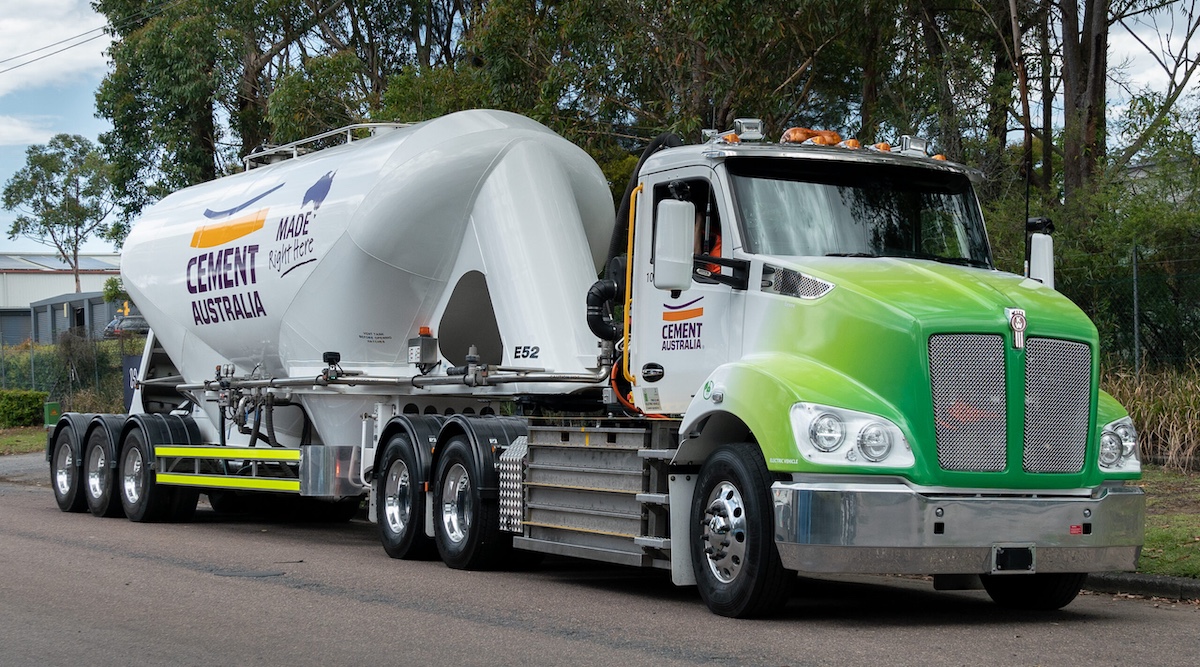
Janus Electric, an Australian operator, is scaling battery-swap infrastructure for heavy-duty trucks as an alternative to grid charging. The company's model addresses a critical constraint for commercial transport: long recharge times that disrupt logistics operations.
Battery swapping eliminates downtime by exchanging depleted packs for charged units at dedicated stations, allowing trucks to resume routes within minutes. This approach parallels strategies pursued globally. CATL, the Chinese battery manufacturer, has launched a joint venture to deploy swap stations across Europe, providing both infrastructure and batteries as turnkey solutions.
The technology reduces dependence on stationary charging networks that require trucks to idle for hours. For freight operators managing tight schedules, this efficiency gain translates directly to operational viability. Janus targets Australia's trucking sector, where long-haul routes and sparse charging infrastructure create adoption barriers for conventional battery electric vehicles.
Swap models require different economics than individual vehicle ownership. Operators lease batteries rather than owning them, shifting capital burdens to infrastructure providers. Battery lifecycles improve when managed centrally. Janus and similar companies handle degradation, maintenance, and rotation, extending pack utility across multiple vehicle cycles.
Challenges remain. Building sufficient swap stations demands heavy upfront investment. Networks must reach critical density before operators commit to compatible vehicles. Regulatory frameworks governing battery ownership, safety protocols, and grid integration still develop unevenly across jurisdictions.
CATL's European push signals confidence that swap infrastructure can achieve scale. Australia's geography and truck-dependent economy create favorable conditions for Janus to demonstrate viability on a regional level. Success here could validate the model for other markets with comparable transport demands.
The approach complements rather than replaces grid-based charging. Short-range urban deliveries suit stationary overnight charging. Long-haul freight benefits from swap speed. Heterogeneous solutions across distance and duty cycles will likely characterize