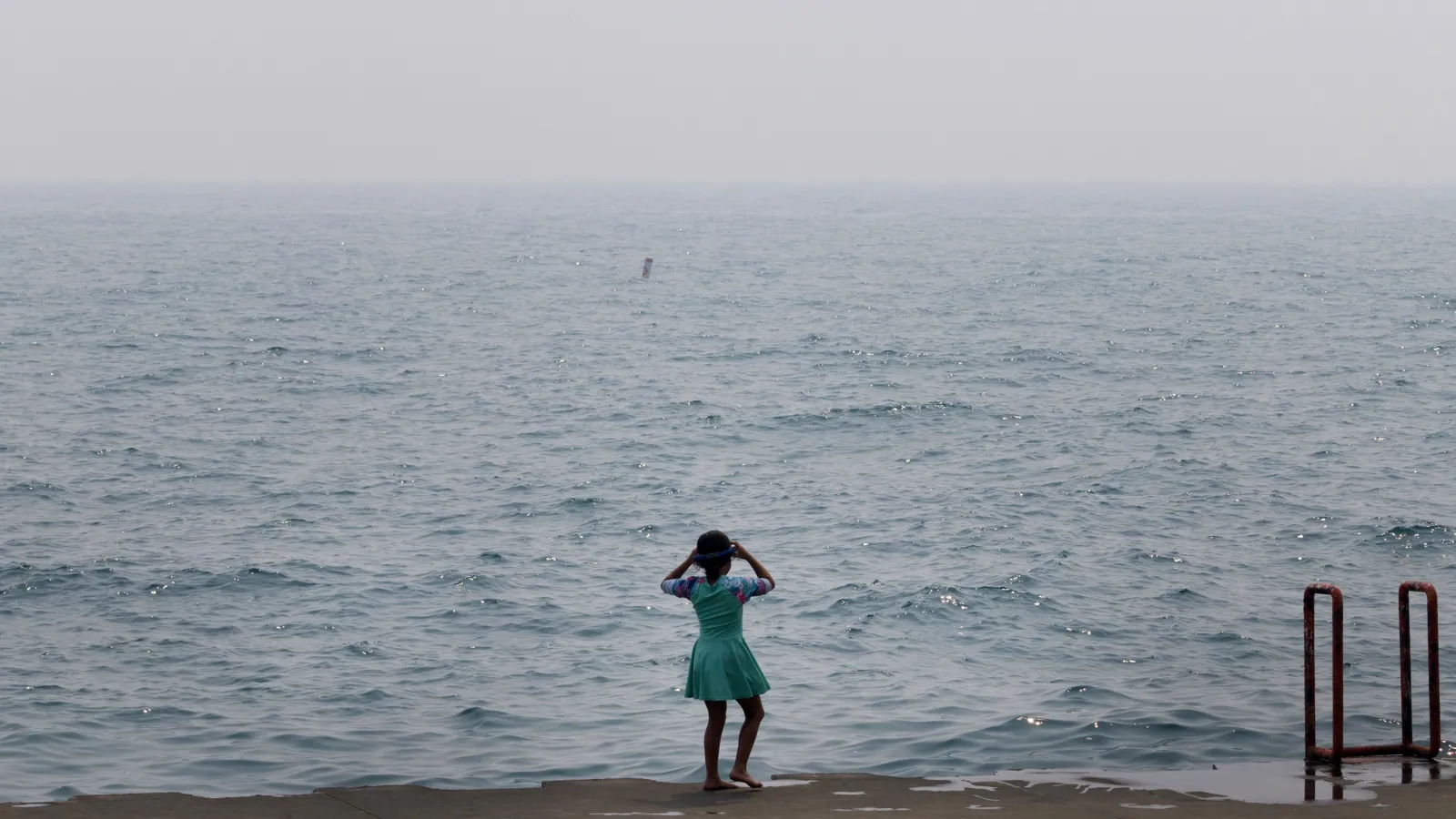
Wildfire smoke now forces millions of children across the American West to spend summers indoors, altering childhood development and health outcomes in ways researchers are only beginning to understand.
Air quality during peak fire season regularly reaches hazardous levels. On bad days, outdoor play vanishes. Schools close recess periods. Sports practices move inside or get canceled. Children who would have spent summers climbing trees, riding bikes, and developing motor skills instead remain confined to air-filtered homes.
The health costs compound. Prolonged smoke exposure irritates airways and lungs, particularly in children whose respiratory systems are still developing. Studies from the University of Washington and other institutions document increased asthma diagnoses and emergency room visits for respiratory complaints during high-smoke periods. Children with existing asthma face exacerbation and hospital admissions. Even short-term exposure impairs lung function.
Beyond physiology, the developmental losses concern pediatricians and psychologists. Outdoor play builds bone density, improves mental health, and teaches risk assessment. Extended confinement correlates with increased anxiety and depression rates in children. Screen time replaces physical activity, contributing to obesity trends already accelerating since the pandemic.
The pattern has hardened into routine. The American West experienced 59,000 fires in 2023 alone, burning over 2.6 million acres. Smoke seasons now stretch from early summer through fall. Children born in the past decade have never known a smoke-free summer as their baseline normal.
Low-income communities face disproportionate exposure. Families without air conditioning or quality filters suffer worse indoor air quality. Schools in rural fire-prone areas lack resources for air filtration systems. Outdoor recreation, already scarce in underserved neighborhoods, becomes impossible during smoke events.
Climate models project worsening conditions. Longer fire seasons, driven by warmer temperatures and earlier snowmelt, mean more smoke