A heatwave sweeping across the western United States has triggered fire alerts in Oregon and Washington, where the combination of extreme heat, low humidity, and strong winds creates conditions ripe for rapid wildfire spread. The National Weather Service forecasts temperatures between 110F and 120F across the southwest through early next week, with Pacific Northwest highs reaching into the 90s. These conditions compress the margins for fire suppression. Low humidity dries vegetation to tinder-like states, while wind carries flames across landscapes with speed that overwhelms standard containment protocols. Oregon and Washington officials have issued heightened readiness alerts, positioning crews and equipment in anticipation of fire ignitions. The western fire season increasingly overlaps with extreme heat events driven by climate change. Higher baseline temperatures extend the window when landscapes remain ignitable, while heat itself accelerates fuel drying. When heatwaves coincide with wind events, firefighting capacity faces acute strain. Resources deployed to one fire cannot respond to simultaneous ignitions elsewhere. Prior seasons demonstrate this pattern. The 2021 wildfire season saw the Dixie Fire in California burn nearly one million acres partly because simultaneous fires exhausted regional firefighting capacity. Current forecasts suggest similar convergence risks. State forestry agencies have not yet issued formal fire bans, but pre-positioning suggests they anticipate rapid escalation. The heatwave underscores a structural vulnerability in wildfire management. Equipment and personnel remain finite while extreme weather events become more frequent. Adaptation strategies include expanded fuel reduction programs and increased staffing during fire season, though funding limitations constrain these efforts. The immediate concern centers on whether this week's heat and wind trigger significant ignitions. Officials continue monitoring conditions through early next week.
News
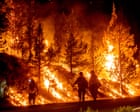
Heatwave scorching western US ups risk of hazardous fire conditions
Key facts
- The National Weather Service forecasts temperatures between 110F and 120F across the southwest through early next week, with Pacific Northwest highs reaching into the 90s.
- These conditions compress the margins for fire suppression.
- Low humidity dries vegetation to tinder-like states, while wind carries flames across landscapes with speed that overwhelms standard containment protocols.
- Oregon and Washington officials have issued heightened readiness alerts, positioning crews and equipment in anticipation of fire ignitions.
Why it matters
This climate story is part of EnviroWireDaily's daily monitoring of sources, companies, institutions, and trends shaping climate & environment news daily.
Source context
This article summarizes and contextualizes reporting from Guardian Environment. The visible original source link is retained so readers can review the primary report directly.