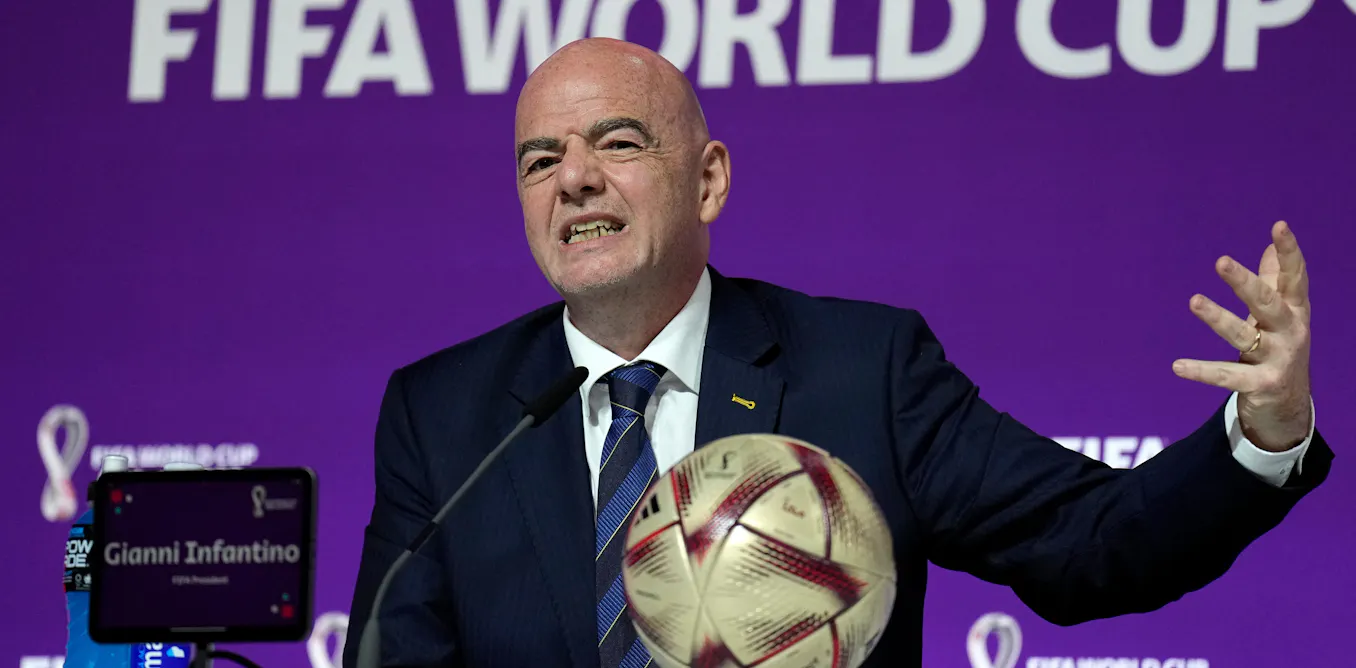
FIFA president Gianni Infantino faces mounting pressure from leading soccer nations demanding structural reform of world football's governing body. The controversies center on governance failures, financial opacity, and decisions that prioritize commercial interests over sport integrity.
Multiple nations have begun coordinating efforts to challenge Infantino's authority and reshape FIFA's institutional framework. The movement reflects broader discontent with how the organization operates, particularly regarding tournament hosting decisions, labor standards at World Cup venues, and revenue distribution among member federations.
The timing matters. Infantino's current term extends through 2027, but voting blocs representing powerful confederations in Europe, South America, and Africa have signaled openness to leadership changes. Past FIFA scandals, including the 2015 corruption investigations that implicated senior officials, have left institutional credibility fragile. Recent decisions around the Qatar World Cup amplified concerns about whether Infantino prioritizes sporting values or financial arrangements.
Reform advocates push for increased transparency in FIFA's decision-making processes, particularly regarding tournament allocation and broadcasting rights. They also demand stronger enforcement of labor and human rights standards at World Cup host nations. Several federations have proposed independent oversight mechanisms to reduce executive discretion in major decisions.
The World Cup's massive financial stakes intensify these battles. FIFA generates roughly $7 billion in revenue per tournament cycle. How that money flows, and who controls allocation decisions, shapes soccer's global infrastructure. Nations with stronger commercial markets and established broadcast networks view the current system as favoring wealthy confederations at the expense of developing soccer programs.
Infantino's defenders argue his tenure brought modernization to FIFA's operations and expanded women's soccer investment. His supporters point to increased broadcast revenues and expanded tournament formats. Critics counter that these gains came without meaningful governance improvements or accountability mechanisms.
The outcome remains uncertain. FIFA's voting structure gives significant power to smaller federations, complicating any reform effort. However, sustained pressure from