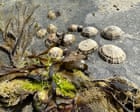
Limpets and other intertidal shellfish face mounting pressure from recreational beach visits during summer months, particularly from children unaware that these creatures are living animals rather than static features of the shoreline.
Sara Hudson, writing from Lyme Regis in Dorset, documents the damage inflicted when visitors casually disturb or crush limpets clinging to rocks at low tide. The East Cliff beach, accessible only when tides recede, attracts families exploring tide pools and rocky outcrops. Without education about the ecological role and vulnerability of these mollusks, visitors inadvertently harm populations already stressed by coastal development, pollution, and warming waters.
Limpets anchor themselves firmly to rock surfaces using a muscular foot, creating a hermetic seal that protects them from predators and desiccation. This adaptation makes them appear immobile and invulnerable to casual disturbance. In reality, each creature dislodged or crushed represents a loss from local populations that depend on high survival rates to maintain breeding viability.
Beach tourism presents a genuine conservation challenge for intertidal species. The United Kingdom's rocky shores support diverse assemblages of limpets and other gastropods integral to food webs supporting seabirds, crabs, and other predators. Heavy foot traffic degrades habitat structure and increases direct mortality.
Hudson's observation reflects broader tensions between public access to natural spaces and species protection. Rather than restricting beach use, she advocates for targeted education. Interpretive signage, guided walks, and family programs can transform casual visitors into informed participants who recognize limpets as living creatures deserving respect and protection.
Seasonal crowding at popular beaches demands proactive management. Local authorities and conservation groups operating in areas like Lyme Regis increasingly employ interpretation strategies that channel visitor curiosity toward appreciation rather than damage. When families understand that each limp