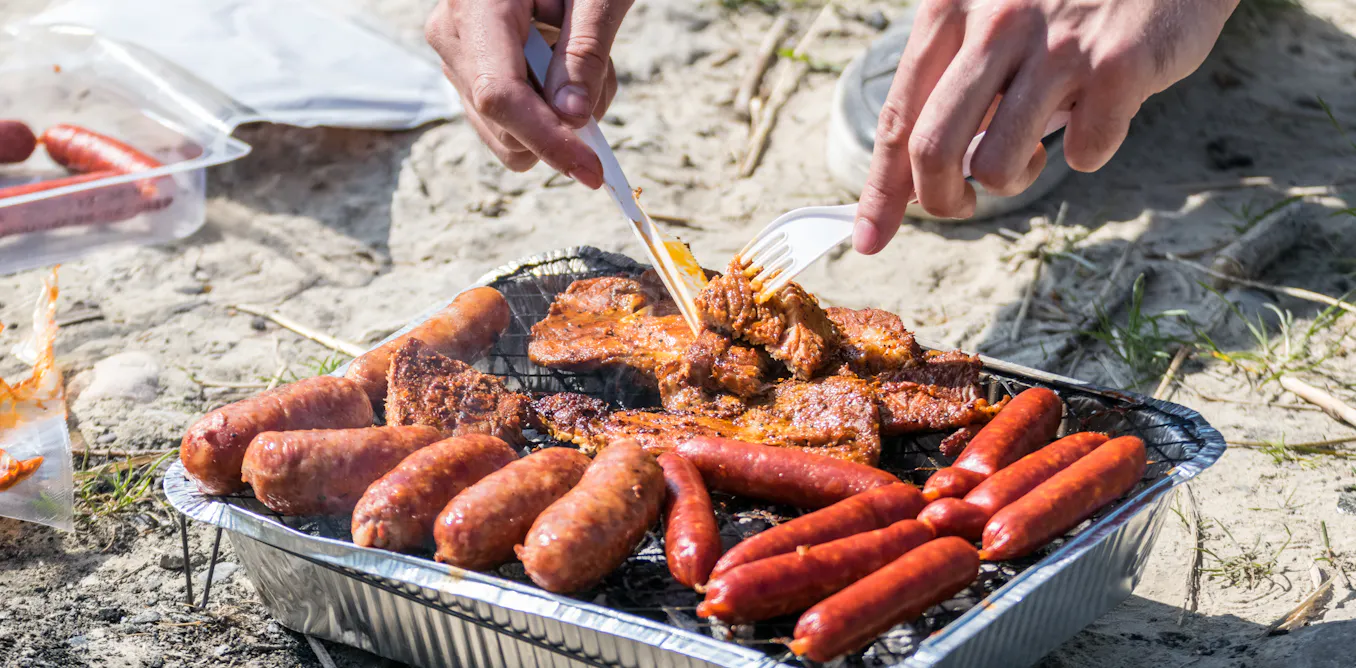
Disposable barbecues pose a documented fire hazard in outdoor spaces, prompting parks and beaches across multiple jurisdictions to restrict or ban their use entirely. These single-use grills contain charcoal that burns at temperatures exceeding 600°C and can ignite nearby vegetation even when users believe the fire is fully extinguished.
Fire services in the UK report that disposable BBQs cause hundreds of preventable wildfires annually. In 2022, a disposable barbecue sparked a major wildfire on Bournemouth Beach that burned across 40 acres and forced evacuations of thousands of people. Similar incidents have occurred in parks across England, Wales, and Scotland, with fire crews often arriving to find flames spreading far beyond the original grilling site.
The danger stems from charcoal's ability to retain heat long after flames disappear. Coals can ignite surface vegetation, leaf litter, and peat layers underground, creating fires that spread rapidly and prove difficult to extinguish. Temperature readings from extinguished charcoal demonstrate coals remain above 200°C for hours after users believe cooking has finished.
Local authorities have responded by banning disposable BBQs from specific high-risk areas during peak fire seasons. Some parks now permit only fixed, permanent grills that cannot be moved into dry vegetation. Coastal councils have implemented total bans on disposable barbecues at beaches where dry grass and heather create tinder-dry conditions during summer months.
Environmental organizations emphasize that alternatives exist. Picnickers can bring pre-prepared food, use portable camping stoves with enclosed flames, or utilize designated permanent grilling facilities. These options eliminate the fire risk entirely while allowing outdoor dining.
The bans reflect a growing recognition that individual behavior patterns directly increase wildfire risk during drought periods. Climate change extends fire seasons and intensifies dry conditions, making prevention measures increasingly