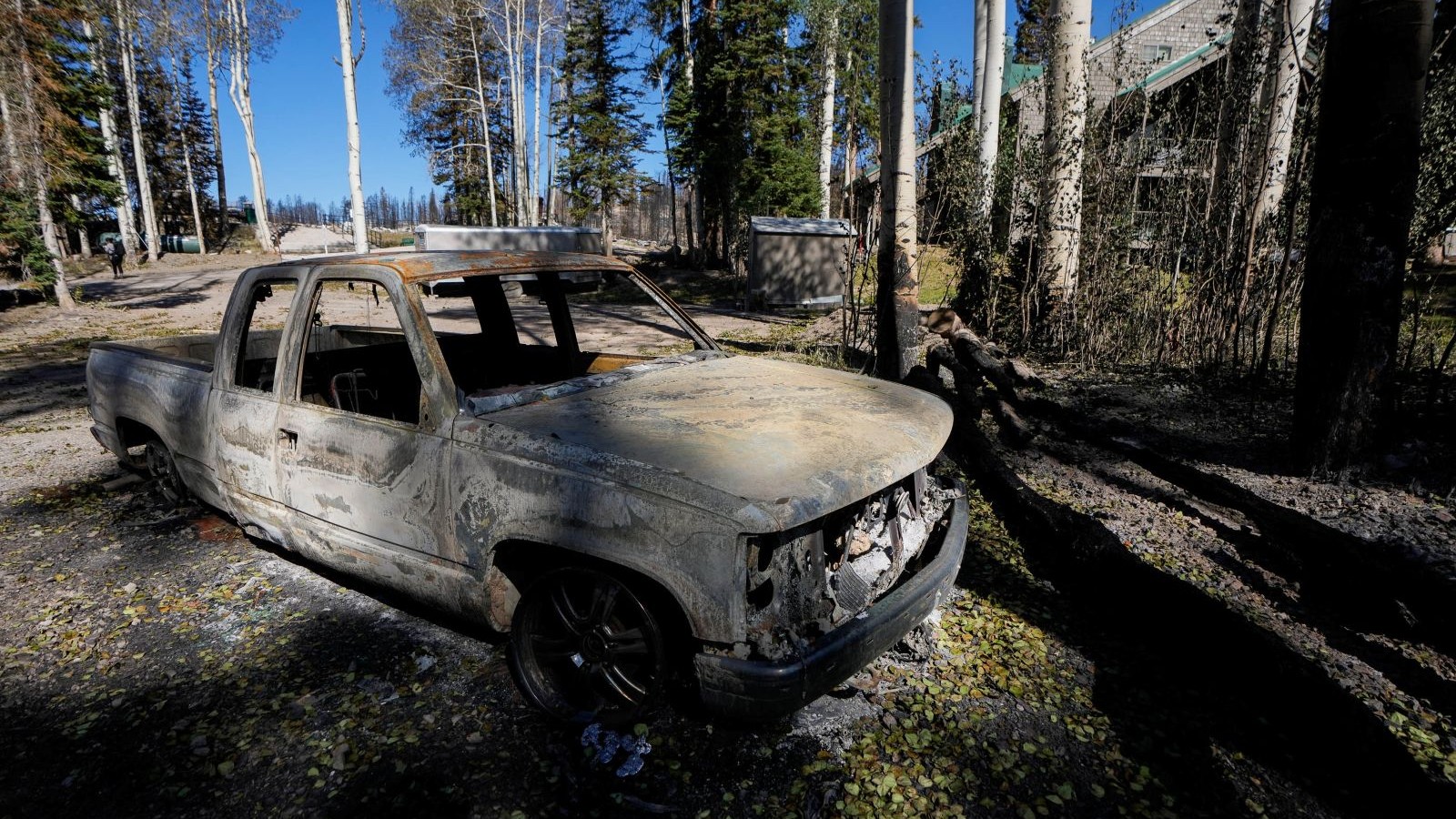
Climate change is undermining the effectiveness of traditional wildfire prevention strategies across the American West, forcing land managers to rethink decades-old approaches.
Higher temperatures and reduced precipitation have fundamentally altered fire conditions. Forests that historically burned on predictable cycles now experience extended fire seasons and more intense blazes. The season begins earlier and ends later, compressing the window when prescribed burns can safely occur.
Prescribed burning, long the backbone of fire management, faces new constraints. These controlled burns require specific weather conditions—moderate temperatures, adequate humidity, and low wind speeds. A warming climate shrinks these conditions to narrow windows, often just a few weeks per year. When burns do occur, drier vegetation burns hotter and spreads faster than expected, creating risks that didn't exist previously.
Fuel management becomes more complex as well. Dead trees from bark beetle outbreaks, themselves accelerated by warmer winters, accumulate faster than removal crews can handle. This debris-laden landscape increases fire intensity when blazes eventually ignite, making containment harder even with aggressive suppression efforts.
The Western fire season has lengthened by several months since the 1980s, according to research from the U.S. Forest Service. At the same time, snowpack melts earlier, leaving forests drier for longer stretches. In California, Oregon, and Washington, summer precipitation has declined while temperatures have climbed, creating ideal conditions for rapid fire spread.
Land managers now test adaptive strategies. Some agencies reduce prescribed burn timing windows and use more mechanical thinning instead of controlled fire. Others experiment with fuel breaks and modified harvesting patterns. But these approaches require more funding and coordination than traditional methods demanded.
The challenge remains urgent. The West saw nearly 8 million acres burn in 2023, with 2024 continuing the trend. Each record season demonstrates that incremental changes to existing practices may not suffice. Wild