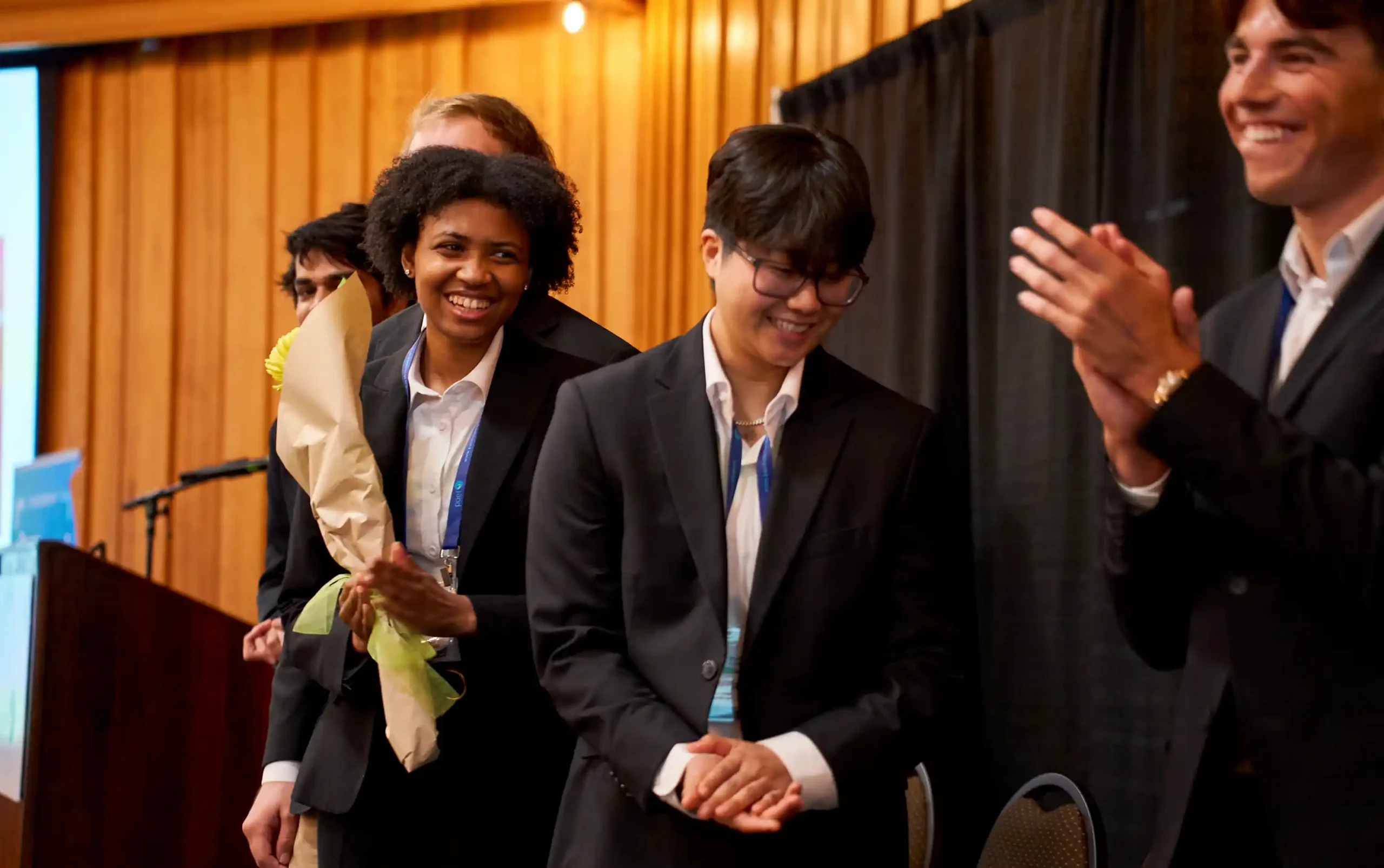
The U.S. Department of Energy's Hydropower and Marine Energy Collegiate Competition wrapped its 2026 finals with two teams claiming top prizes, signaling growing student interest in water-based renewable technology. A record 45 teams have registered for the 2027 season, nearly doubling participation from previous years.
The competition challenges undergraduate and graduate students to design, build, and test hydropower and marine energy systems. Teams compete across categories including device design, efficiency metrics, and commercialization potential. Winners receive recognition and funding to advance their prototypes.
Water power remains a cornerstone of U.S. renewable energy capacity. Hydroelectric facilities generate roughly 6 percent of American electricity, while marine energy technology remains largely in development stages. The DOE competition identifies emerging talent in both established and nascent water energy sectors.
The surge in registrations reflects broader momentum in water energy research. Marine energy devices face unique engineering challenges. Prototype systems must withstand saltwater corrosion, high-energy waves, and tidal currents while maintaining efficiency and survivability. Hydropower innovation focuses on fish-safe turbines, run-of-river systems that minimize environmental disruption, and modernization of aging infrastructure.
Student participation in DOE competitions traditionally feeds into the workforce pipeline. Previous winners have launched companies, joined national laboratories, and influenced energy policy. The doubling of team registration suggests universities are investing more heavily in water energy programs.
The 2027 competition cycle begins with preliminary rounds in spring, culminating in final events where teams display functioning prototypes. Judges evaluate technical performance, environmental considerations, and business viability. Prize money supports further development and often catalyzes patent applications.
Water energy occupies a unique position in renewable energy strategy. Unlike solar and wind, which face intermittency challenges, hydropower and tidal systems offer predictable generation. Marine energy development remains capital-intensive