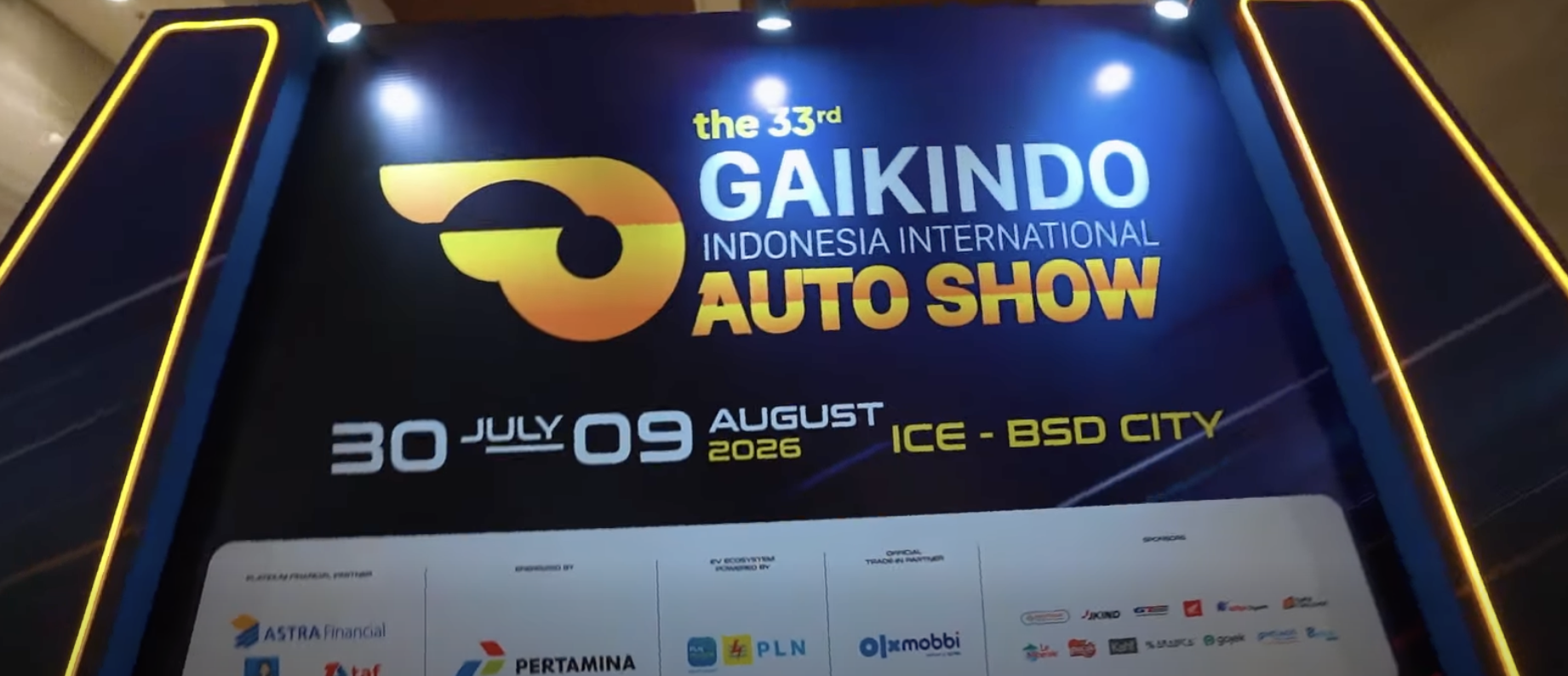
The 33rd GAIKINDO Indonesia International Auto Show, running through August 9 at the Indonesia Convention Exhibition in BSD City near Jakarta, demonstrates Southeast Asia's accelerating shift toward electric vehicles. Pure electric vehicle brands dominated the exhibition floor, signaling a regional pivot away from internal combustion engines.
Indonesia, Southeast Asia's largest economy and a major automotive manufacturing hub, faces mounting pressure to decarbonize transportation. The country accounts for roughly 15% of the region's total greenhouse gas emissions, with the transport sector representing approximately 23% of Indonesia's carbon footprint. Showcasing dedicated EV manufacturers at the auto show reflects shifting market dynamics and manufacturer commitments to meet tightening emissions standards.
The prominence of battery electric vehicles at this year's event contrasts sharply with previous years when EVs occupied marginal booth space. Major automakers and emerging EV startups have expanded their presence, reflecting both consumer interest and regulatory momentum. Indonesia's government has set targets to boost EV adoption through incentive programs and infrastructure investment, though challenges remain around charging networks and battery supply chains.
Southeast Asian nations collectively aim to reduce transport emissions as part of broader climate commitments. Thailand and Vietnam have also increased EV production capacity, creating regional competition that benefits consumers through expanded model availability and pricing pressure. Indonesia's position as an automotive manufacturing center makes its EV transition particularly consequential for the wider region.
The auto show's focus on pure electric brands rather than hybrid technology suggests manufacturers view battery electric vehicles as the dominant future technology for the region. Supply chain development, battery manufacturing capabilities, and charging infrastructure expansion remain critical hurdles. Indonesia's abundant nickel reserves position it as a potential battery production hub, though domestic manufacturing capacity currently lags demand.
The exhibition runs through August 9 and provides a snapshot of how regional automakers and suppliers are positioning themselves in a rapidly shifting transportation landscape centered on electrification.