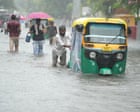
India faces a threatened monsoon season as El Niño intensifies, creating risks for the world's most populous nation dependent on seasonal rainfall for agriculture and water supplies. UN Secretary-General António Guterres warned that the strengthening El Niño pattern is pushing global climate systems into uncharted conditions, describing the phenomenon as adding fuel to a planet already burning.
El Niño, a periodic warming of tropical Pacific ocean waters, disrupts normal weather patterns across the globe. The phenomenon typically suppresses monsoon rainfall over India during summer months, jeopardizing crops, hydroelectric power generation, and freshwater reserves for over a billion people. Meteorologists report that a stronger El Niño system is now establishing itself, with forecasts predicting hotter and drier conditions across much of the world.
The Indian monsoon, which delivers roughly 70 percent of the country's annual rainfall between June and September, plays a foundational role in the nation's economy and food security. Weak monsoons trigger cascading effects. Agricultural yields decline. Reservoir levels drop. Electricity generation from hydropower contracts. Previous monsoon failures have forced India to import grains at higher global prices and implement water rationing in major cities.
The convergence of El Niño and long-term climate warming creates compounding risks. Rising baseline temperatures amplify heat stress on crops and populations. Warmer air holds more moisture, potentially intensifying precipitation extremes when systems do develop, increasing flood risks alongside drought vulnerability.
Weather prediction agencies are monitoring the El Niño pattern closely. The phenomenon typically lasts 12 to 18 months, meaning impacts could extend through 2024. Guterres framed the situation as evidence that climate change operates outside historical boundaries, requiring urgent mitigation and adaptation responses from governments worldwide. India's agricultural sector, already stressed by changing rainfall patterns over recent decades, faces renewed pressure to