Frank Elderson, a member of the European Central Bank's executive board, has warned that climate breakdown and ecosystem collapse now threaten core financial stability across the eurozone and globally.
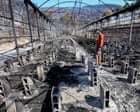
The ECB is escalating its monitoring of financial risks tied to the destruction of ecosystem services, the nature-dependent processes and assets that underpin economic activity. Elderson's statement comes as wildfires intensify across Europe, underscoring the accelerating physical climate hazards bearing down on financial systems.
Ecosystem services include pollination, water filtration, flood regulation, and carbon sequestration. Their collapse imposes cascading losses on agriculture, insurance, and infrastructure sectors. The ECB has identified these breakdowns as systemic financial risks that banks and investors have historically underpriced or ignored.
This marks a shift in how Europe's primary monetary authority frames climate action. Rather than treating climate as an environmental or social issue, the ECB now positions it as a direct threat to banking resilience and macroeconomic stability. That reframing carries weight. Central banks control stress tests, capital requirements, and lending criteria that shape where trillions in capital flow.
Elderson's statement reflects mounting evidence that financial models fail to account for nature-related tipping points. A 2023 World Economic Forum survey found that ecosystem collapse ranks among the top five global risks to economic stability over the next decade. Yet corporate balance sheets and bank risk assessments remain largely blind to biodiversity loss and land degradation.
The ECB's heightened scrutiny suggests regulators recognize banks cannot accurately price assets or liabilities without accounting for nature's baseline. A farm loses productivity as pollinators disappear. A power plant fails without reliable water supplies. Insurance claims spike as extreme weather intensifies.
The eurozone faces particular exposure. European agriculture depends heavily on pollination services worth an estimated 15 billion euros annually. Mediterranean economies face escalating