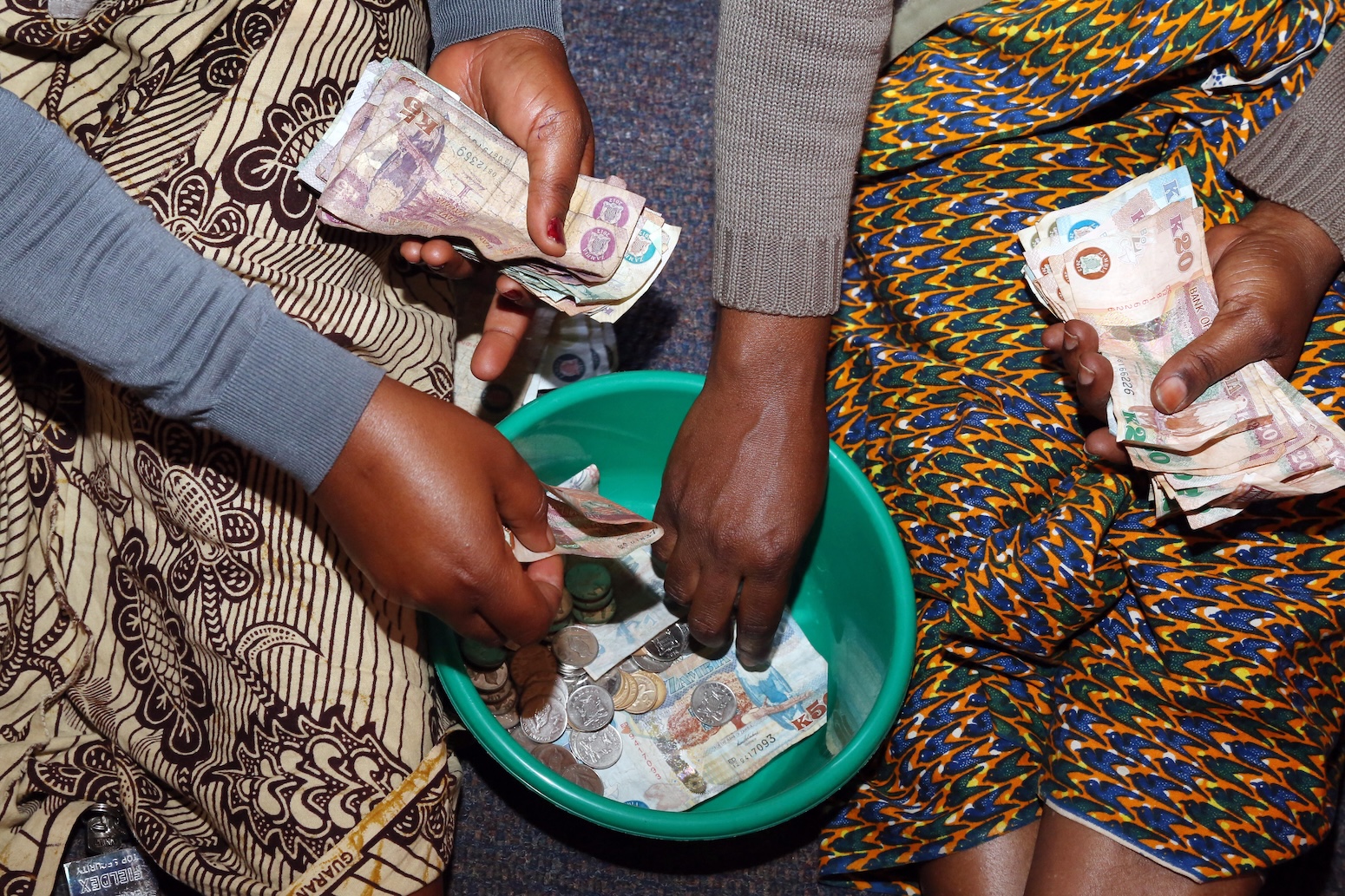
A new study finds that financial access for women in sub-Saharan Africa directly strengthens household resilience to climate shocks. Researchers examining economic vulnerability in the region determined that when women gain access to credit, savings accounts, and other financial services, their families develop greater capacity to absorb climate-related disruptions like drought, flooding, and crop failure.
The research addresses a critical gap in climate adaptation strategy. Sub-Saharan Africa faces accelerating climate impacts alongside persistent gender inequality in financial inclusion. Women control significant agricultural and household resources yet remain systematically excluded from formal banking systems. This exclusion compounds climate vulnerability, as households lack the financial buffers needed to recover from weather-related losses.
The study documents how financial access enables specific adaptive behaviors. Women with bank accounts can invest in climate-resistant seeds, water storage systems, and diversified income sources. They access insurance products that protect against agricultural losses. They build savings that sustain families during lean seasons. These mechanisms translate directly into reduced poverty and improved food security during climate emergencies.
Sub-Saharan Africa's women control roughly 40 percent of rural enterprises yet hold only 20 percent of business bank accounts. This financing gap leaves households dependent on informal, expensive credit networks that drain resources during climate crises. Closing this gap generates compound benefits. Enhanced female financial autonomy strengthens decision-making power within households, shifts spending toward children's education and health, and creates employment that reduces migration pressure.
The findings align with broader climate finance frameworks. The Paris Agreement emphasizes adaptation as a priority equal to emissions reduction. Yet adaptation funding heavily favors large infrastructure projects over community-level resilience. Directing climate finance toward women's financial inclusion offers cost-effective, locally-rooted adaptation that addresses both gender inequality and climate vulnerability simultaneously.
Implementation requires policy shifts. Governments and development banks must remove barriers preventing women from opening accounts and accessing credit. Mobile banking expansion