Australia relies on maritime imports for critical fuel supplies, leaving the nation exposed to shipping disruptions despite a new domestic refinery coming online. The country faces structural vulnerabilities in its supply chains that a single refinery cannot address without broader strategic planning.
Australia imports approximately 90 percent of its refined petrol and diesel. A new refinery project represents progress toward domestic production capacity, yet maritime chokepoints remain unmitigated. Global shipping disruptions, whether from geopolitical tensions, climate-related port closures, or accidents in key straits, could paralyze fuel delivery to an economy dependent on uninterrupted supply.
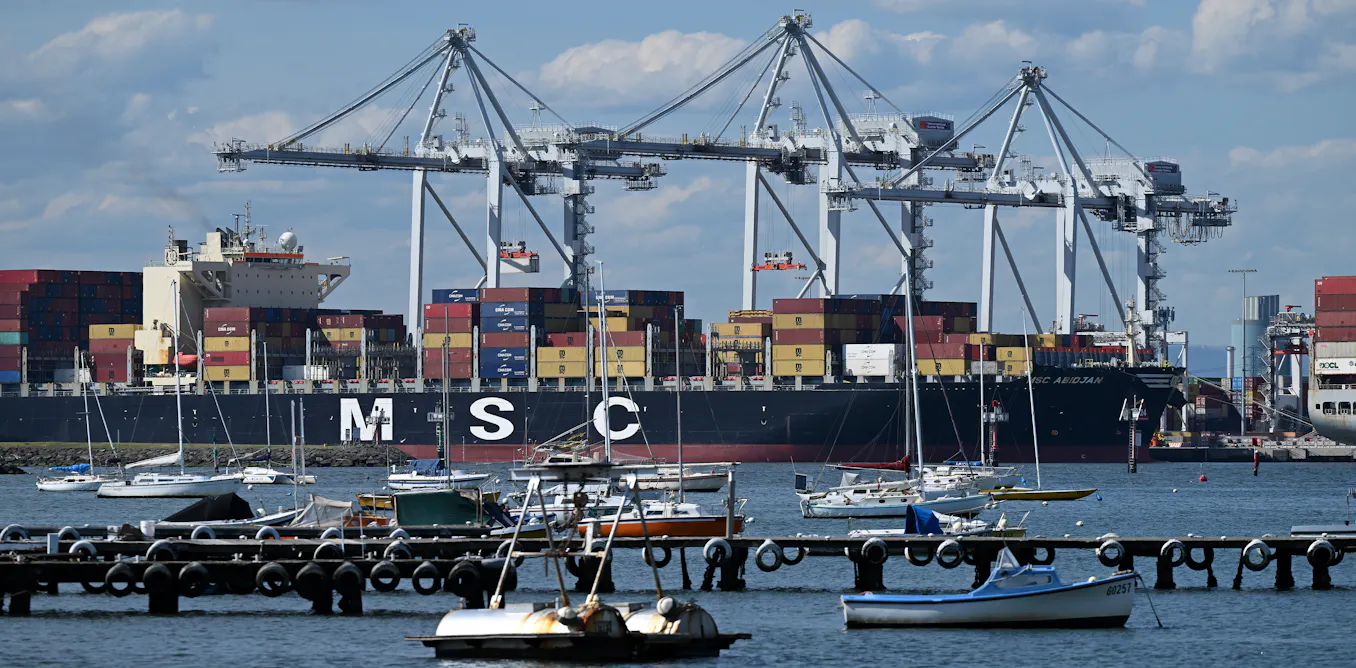
The risk extends beyond fuel. Australia imports essential commodities through sea lanes vulnerable to blockade or congestion. Port infrastructure at Darwin, Brisbane, and Port Melbourne handles massive throughput with limited redundancy. A sustained disruption to these nodes would cascade across manufacturing, agriculture, and energy sectors.
Current government policy lacks a coordinated maritime resilience strategy. Fuel stockpile levels remain below recommended thresholds from the International Energy Agency. The Strategic Petroleum Reserve holds only weeks of supply. Other critical imports like pharmaceuticals, minerals, and food inputs traverse the same vulnerable routes with minimal backup systems.
Effective resilience requires multiple interventions. Australia must expand fuel storage capacity, diversify port infrastructure investment, and strengthen relationships with alternative suppliers. Japan and South Korea have modeled strategic reserve systems that Australia could adapt. Building warehouse capacity for medicines and manufacturing inputs near ports would reduce dependency on just-in-time supply chains.
The new refinery addresses one piece of the puzzle. It will reduce Australia's exposure to international fuel price shocks and refining capacity constraints overseas. Production capacity, however, solves only part of the maritime vulnerability problem.
Without a comprehensive maritime strategy, Australia remains exposed to supply chain collapse from events beyond its control. Policymakers must treat shipping resilience as critical infrastructure